Gardenia Care Guide: Four Questions to Get Clear
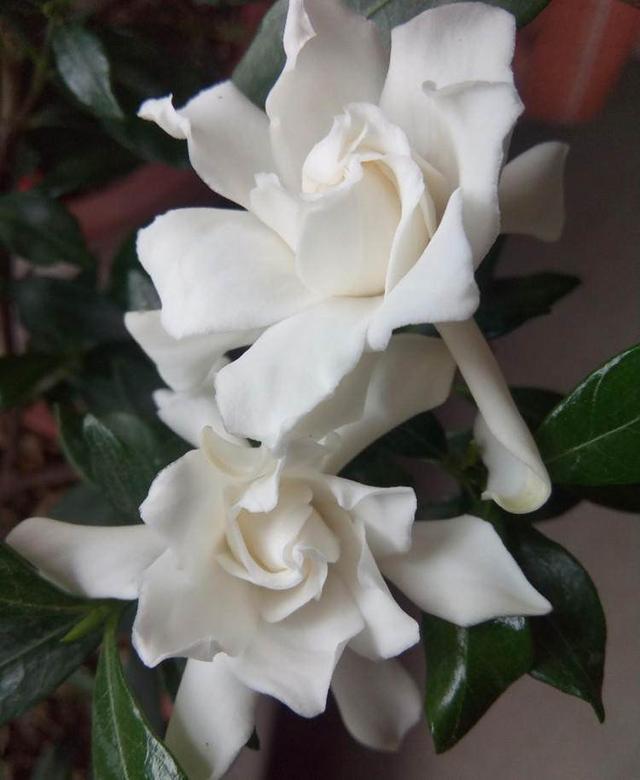
Gardenia is a summer fragrant flower. When the sun blazes like fire and heat waves roll, that is exactly when it shows its jade-green leaves and jade-white blooms, pouring out rich fragrance. Place a pot on the balcony, or put a bunch in a vase indoors, and the scent fills the whole room. So then, how should gardenia be cared for?
In fact, the "care guide" for gardenia, summed up, only requires flower lovers to get the following 4 questions clear.
1. Why do gardenia leaves turn yellow?
The reasons gardenia leaves turn yellow are as follows: First, in the high-temperature seasons of summer and autumn, exposure to scorching sun will make the leaves turn yellow, and in severe cases they will even scorch and wither. Second, when winter comes, cold winds strike it. Third, if the soil is alkaline, and on top of that fertilizer is insufficient, the leaves will also turn yellow.
Based on the above reasons, besides paying attention to seasonal and environmental changes, if "chlorosis" is caused by alkaline soil and iron deficiency, flower lovers can add 1% ferrous sulfate to fertilizer, dissolve it, and apply it into the potting soil. Along with each fertilizing of the gardenia, use a general-purpose organic liquid fertilizer for flowers, alternating the two, once every half month. After 2~3 times, the leaves will gradually regain their green color and turn green.
2. Why do potted gardenias develop withered branches and falling leaves?
One reason potted gardenias develop withered branches and falling leaves is watering too much and too often, with the potting soil constantly too wet and drainage also poor, causing water to flow backward. Leaves that fall for this reason are slightly greenish from the petiole to the leaf blade. The second is when the potting soil has been too dry for a long time, cutting off water to the branches and leaves, causing the leaves to wither, curl, and then slowly drop off, while the branches also slowly dry up.
The third is improper fertilizing. For example, applying raw fertilizer that has not been fully fermented and decomposed will cause fertilizer burn and also lead to withered branches and falling leaves. Therefore, it is recommended that flower lovers not use raw fertilizer when growing gardenia. You can use a general-purpose organic liquid fertilizer for flowers, diluted 500 times, and water the roots of the gardenia once a week, which will meet the gardenia's growth needs.
3. After repotting and changing the soil at the turn of spring and summer, the gardenia drops a large number of leaves. What should be done?
The turn of spring and summer is the period when gardenia grows and forms buds. At this time, a potted gardenia that has just been bought should not be repotted or have its soil changed. If you repot and change the soil at this time and break up the root ball, it will cause a large number of leaves to drop and affect bud formation and blooming.
Rescue method: Besides watering to prevent dryness and increasing the number of times you mist the leaves, pause fertilizing, and even more so do not blindly use ferrous sulfate. After a period of time, once the leaf drop stops, it will regain its vitality.
4. Why does gardenia drop its buds?
Reasons gardenia drops its buds: First, the potting soil is constantly too wet or drainage is poor; second, fertilizer is insufficient, or raw fertilizer that has not been fermented and concentrated fertilizer have been applied.
How to keep it from dropping buds? First, it should be placed in a semi-shaded spot in the open air. After the initial buds form, apply 1~2 times of thin supplementary fertilizer to increase the nutrition needed for blooming. At the same time, the potting soil should be slightly on the dry side, and drainage must be unobstructed. By all means avoid watering too much and too often, which makes the potting soil constantly too wet.