What to Do When Aloe Vera Leaves Are Shriveled? Cause Analysis and Remedies
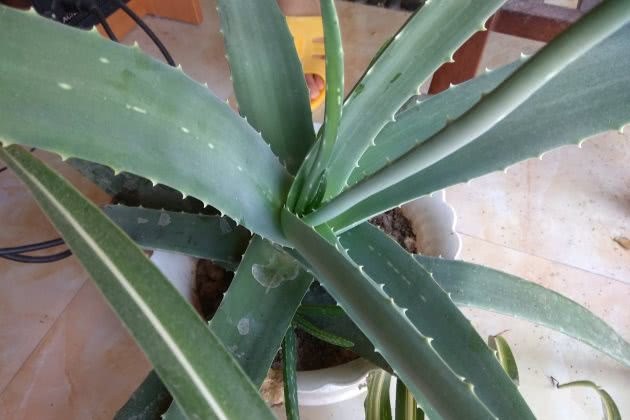
Many flower lovers enjoy growing aloe vera, because aloe vera is not only very easy to grow but also very useful. Aloe vera is very drought-tolerant, so we do not need to constantly think about watering it. Aloe vera can beautify and nourish the skin, and folk legend says that when you get a burn you can also apply aloe vera to relieve the pain.
However, although aloe vera is very easy to grow, during care it is still inevitable that some flower lovers will run into unexpected problems with it. For example, root rot, or shriveled leaves, and so on. So what should you do when aloe vera leaves are shriveled? Today Hua'er Gu will study with everyone the causes of shriveled aloe vera leaves and the solutions.
The common causes of shriveled aloe vera leaves are mainly: excessive light, potassium deficiency, improper repotting or transplanting, severe soil compaction, and pests and diseases. Below we introduce each cause and its countermeasure in detail.
1. Excessive light
Aloe vera likes to grow in a semi-shaded environment; growing in a semi-shaded environment lets it develop thick stems and plump leaves, remaining emerald green all year round. Aloe vera exposed to sunlight for a long time generally grows rather thin and weak, with yellowish leaves. If it is grown outdoors and also experiences a long-term drought, shriveled leaves are relatively likely to appear.
Therefore, for growing aloe vera we had best place it in a semi-shaded environment with plenty of scattered light. If it receives light on only one side, in order to keep the plant upright, we can rotate the pot regularly. Aloe vera grown in a semi-shaded environment lignifies slowly and grows relatively plump and thick. Outdoor-grown plants lignify very quickly, and once they lack water and encounter strong light, shriveling and cracking are likely to occur.
2. Potassium deficiency
When the lower half of the aloe vera leaves becomes shriveled while the relatively tender leaves do not shrivel, this situation is generally caused by a lack of potassium. If we fail to supplement potassium fertilizer in time, the aloe vera will gradually become deformed.
Therefore, when we notice these problems we can supplement some potassium in time. If the potting soil has already been used for two or three years, we must replace it in time; it is recommended to change the soil at least once every two years. When the aloe vera grows larger, the pot can also be changed to a bigger one.
3. Transplanting and repotting
When aloe vera has grown for a certain number of years, we need to transplant it, change its pot and change the soil. When changing the pot and soil, be careful not to damage too many roots; it is recommended to remove some of the outer soil and old roots while keeping as much of the soil wrapped around the inner part as possible, to prevent too much damage to its roots, otherwise shriveling and a long time to establish after repotting will occur.
Therefore, when changing the pot and soil for aloe vera, use your hands or relatively blunt tools as much as possible rather than cutting directly with a knife, and gently wipe away some of the outer soil. Then when potting, note that a layer of soil should be placed at the bottom first, then place it on the soil and set its position, then fill soil around it.
4. Soil compaction
Many aloe vera plants grown by flower lovers encounter soil compaction, because if there are no other weeds or the like around the aloe vera pot, using pure garden soil will lead to compaction; this is a phenomenon that easily occurs after watering too many times. After the soil compacts, its water permeability and air permeability become worse, and this easily leads to shriveling in aloe vera.
Therefore, we can loosen the soil for the aloe vera regularly, avoiding damaging its roots as much as possible when loosening. Normally when weeds grow on top, we do not need to pull them out immediately; we can trim them to prevent the weeds from growing too fast and consuming nutrients. After trimming, the roots remain and continue to grow new seedlings, and the stems also gradually thicken; at this point we can pull them out, which can also achieve the effect of loosening the soil.
The above is what Hua'er Gu introduces to you about the causes of shriveled aloe vera leaves and some handling tips. One thing not yet discussed is preventing diseases; pests and diseases can also cause aloe vera leaves to shrivel. However, this is relatively rare in potted aloe vera. Another is root rot caused by overwatering, which leads to shriveled leaves. When watering aloe vera, we would rather let it dry out completely than water the pot. The cases we commonly see that cause aloe vera to die are all due to flower lovers being too diligent in watering it.