What are the manifestations and characteristics of the adenovirus pharyngoconjunctival fever triad?
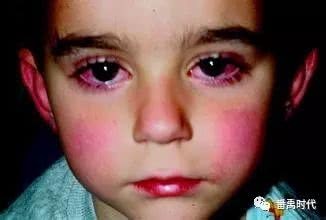
The designation of fever, pharyngitis, and unilateral or bilateral acute follicular conjunctivitis as a triad, pharyngoconjunctivitis, was established after it first broke out in epidemic form in kindergartens and schools in the United States in 1953 and then spread to Europe and Asia successively in 1956. The affected population of the pharyngoconjunctival fever triad is mainly children aged 4 to 9 years; it is prone to onset, transmission, and epidemics in both summer and winter, and is mostly caused by adenovirus type III, with an incubation period of 5 to 6 days.
Occurrence in both summer and winter is one of the characteristics of pharyngoconjunctivitis; its special route of transmission is the second characteristic of pharyngoconjunctivitis, as it can be transmitted not only through breathing and contact but also through skin routes via water sources such as swimming pools and bathhouses. As for pathogenicity and range, these can be described as broad characteristics of adenoviruses, which can not only infect the respiratory tract and ocular conjunctiva and cause disease but can also infect the gastrointestinal tract, urinary tract, liver, and other sites and cause disease.
Adenoviruses have even more characteristics. For example, about 1/3 of the known serotypes of human adenoviruses are usually associated with human disease, and one serotype can cause different clinical disorders while different serotypes can also cause the same disorder. For example, when adenovirus infects the throat and other respiratory tracts, it can cause cough, nasal congestion, and pharyngitis, accompanied by fever, chills, headache, and muscle pain, and can also form four major categories, namely acute febrile pharyngitis, pharyngoconjunctivitis, acute respiratory tract inflammation, and pneumonia.
Acute febrile pharyngitis usually occurs in infants and children and is caused by group C viruses, presenting with symptoms such as cough, nasal congestion, fever, and ulcers in the throat; these manifestations are difficult to distinguish from mild respiratory infections caused by other viruses. The manifestations of pharyngoconjunctivitis are similar to those of acute febrile pharyngitis, but conjunctivitis often occurs at the same time. Pharyngoconjunctival fever has a tendency to occur in outbreaks, such as swimming pool conjunctivitis, and is mostly caused by adenovirus types 3 and 7 of group B; the prognosis is relatively good, and there are generally no sequelae.
Adenovirus acute respiratory tract inflammation: this syndrome is characterized by pharyngitis, fever, cough, and general malaise, and often occurs in epidemics among military recruits, mostly due to sudden stress, fatigue, crowding, and similar factors. This infection is mostly caused by adenovirus types 4 and 7, and can also be seen with type 3. As for adenovirus pneumonia, it accounts for 10% of childhood pneumonia and is mostly caused by adenovirus types 3 and 7; in young people, the case fatality rate of adenovirus pneumonia is 8% to 10%; pneumonia is also a severe manifestation of acute respiratory disease in recruits.
If you have questions or need help, you can call 0106217064913269852331