Why does adenoviral pneumonia easily cause conjunctivitis?
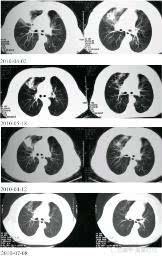
People are relatively familiar with some common types of pneumonia such as lobar pneumonia. In fact, pneumonia can be classified in different ways, with a great variety of names, so there are many types of pneumonia that are not well known. For example, adenoviral pneumonia is an acute pneumonia that occurs easily in infants, young children, and even adolescents. The pathogens causing epidemics of adenoviral pneumonia in infants and young children are mainly adenovirus types 3 and 7. Mild cases and older children have a better prognosis, while severe infections and adenoviral pneumonia have a poor prognosis with a high mortality rate.
Pneumonia
The incubation period of adenoviral pneumonia is 4-10 days, with 80% occurring in infants and young children aged 6 months to 2 years, and winter and spring being the main onset seasons. It generally presents with sudden fever, and 3 to 4 days after onset there is persistent high fever, with 60% of sick children having a maximum body temperature exceeding 40 degrees, accompanied by frequent or paroxysmal cough, but no obvious runny nose or sneezing. Three to 5 days after onset, difficulty breathing and bluish-purple complexion may appear and gradually worsen. Severe cases may also show nasal flaring, cyanosis of the lips and nails, gasping and retractions, and the three depression sign.
In acute respiratory diseases caused by adenovirus, febrile pharyngitis and pharyngoconjunctival fever are the most common in children, while pneumonia is more common in infants and young children. The incubation period is 3 to 8 days. Following an upper respiratory tract infection with pharyngoconjunctival fever or another respiratory infectious disease, it is characterized by high fever and a long course. It generally starts with abrupt fever; in the first 1 to 3 days, body temperature is 38 to 39 degrees C, showing a continued fever or irregular fever pattern. It then gradually rises and persists for 4 to 5 days, with half of the cases reaching above 40 degrees C.
Adenovirus
Some have severe toxic symptoms, with high fever lasting 7 to 10 days, with 2 weeks being the limit in severe cases, after which the fever gradually subsides; in a few cases, fever lasts as long as 20 days. Some sick children show listlessness, lethargy, semicoma or paroxysmal restlessness; a grayish complexion and increased heart rate are also signs of severe illness. Early features include conjunctival congestion, red papules, maculopapules or a scarlet fever-like rash on the body, and lime-like small white spots may also appear on the tonsils. Adenoviral pneumonia is a relatively serious pneumonia in infants and young children, and comprehensive treatment measures should be actively adopted.
If you have any questions or need help, please call 0106217064913269852331