When the temperature reaches 30°C, these flowers have already gone dormant, and continuing to water them is why they die
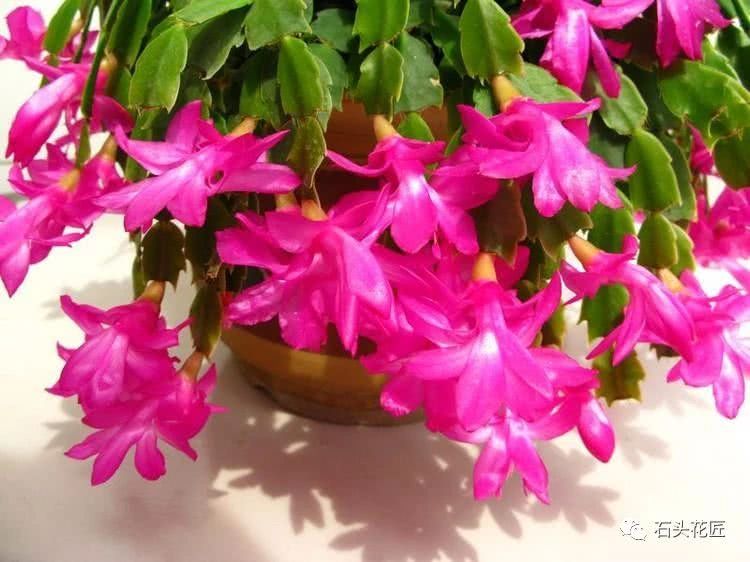
Recently, temperatures across the country have been rising, which also means the arrival of midsummer. For friends who grow flowers, this is something you must pay attention to. In this season, many flowers successively enter dormancy. When flowers enter dormancy, it means the plant's physiological state is basically at a standstill, stopping growth and stopping the absorption of nutrients. Therefore, during this period, understanding your flowers is also very important. Below, Shitou introduces several common summer-dormant flowers and their care methods.
Christmas cactus:
Starting every December, the Christmas cactus enters its full bloom period, lasting until around April of the following year. Then, entering July, as temperatures rise, the Christmas cactus also enters dormancy. For care, you mainly need to pay attention to the following 3 points:
1. Place the Christmas cactus in a cool spot for growing, avoiding direct strong light. It is best to place it on a windowsill facing east, west or north, with good ventilation and suitable light;
2. Stop fertilizing. For a dormant Christmas cactus, metabolism has basically stopped, so naturally it has no need for nutrients either. Continuing to fertilize will cause fertilizer burn, with black spots appearing on the plant's leaves, or even rot.
3. Do not water blindly. A dormant Christmas cactus has very low water requirements. Too much watering, combined with too high a temperature, can easily create a greenhouse effect in the pot, causing the plant's roots to rot and die. So, keep the soil slightly dry, and each time you water, follow the principle of watering when dry and stopping when wet. Never let water accumulate. In the north, you can water once every 3-4 weeks.
Tulip:
As the national flower of the Netherlands, the tulip is very beautiful. It blooms every spring, with a fragrance that fills the air and is utterly charming. It enters dormancy in summer, and the handling method is slightly different from other flowers, so you must pay attention.
Pruning: after the tulip finishes blooming, you need to cut off the spent flowers, pruning 3 cm below the spent flowers. Cut off the yellow leaves and old leaves, and leave the rest to continue growing.
Generally in April-May, tulip leaves will wither. At this time, there are two methods to handle its dormancy: a. directly cover the pot with a layer of fine soil and leave it for a summer; b. dig out the tulip bulbs, air-dry them in a ventilated place, wrap them in newspaper for storage, and plant them normally in autumn.
Cyclamen:
Likewise, cyclamen is also a plant that goes dormant in summer. After entering the hot summer, pay attention to the following 3 points in care.
Pruning: cut off all spent and fading flowers, and cut off old leaves and yellow leaves to avoid excessive absorption of nutrients;
Place the potted plant on a ventilated, cool windowsill, avoiding direct sunlight.
Stop watering, and just keep the soil slightly dry. If you are still watering according to normal flower care, rot can easily occur.
There are many other flowers that go dormant in summer, such as: wax begonia, clivia, geranium, hyacinth, corn poppy, stock, pasqueflower, calla lily, narcissus, daisy, succulents, and so on.
For caring for plants that go dormant in summer, one point is very important: water less or stop watering. Many flowers grown by gardening friends have a hard time getting through summer, and many of them end up with root rot and eventually die. The main reason is still that in the high-temperature season, when the plant is dormant, it does not need a large amount of water.