What to Do When Pothos Leaves Turn Yellow? All the Solutions Are Here
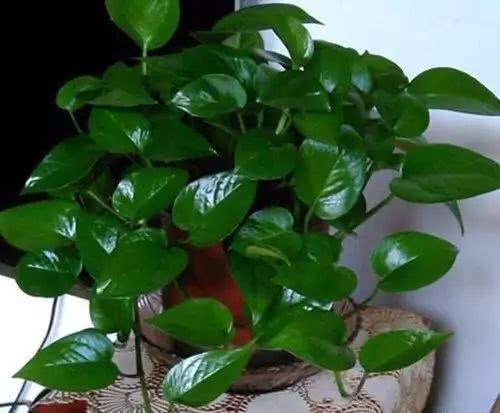
Pothos (Epipremnum aureum) is recognized by plant lovers as one of the easiest plants to grow. It not only decorates your space with lush greenery but also removes formaldehyde and has some air-purifying benefits.
Many plant lovers grow pothos, and almost everyone has encountered the problem of yellowing pothos leaves. Sometimes, as the yellowing progresses, the pothos dies; sometimes only some leaves turn yellow, and no other problems appear in the pothos within a short time.
Today, let's summarize several causes of yellowing pothos leaves and how to avoid them.
1. Nutrient Deficiency
Many hydroponic pothos plants develop this problem. The leaves were perfectly healthy before being transferred to water, but after being placed in water, all the new leaves that grow out are yellowish and weak. This situation indicates that the leaves lack nutrients, and it is very likely that the water quality itself is the problem.
In this case, avoid using tap water for hydroponics; cooled boiled water or rainwater is best. During care, add one drop of nutrient solution to the water each month, change the water at least once every two weeks, and remove rotted roots. This can also occur with soil-grown plants, especially when new leaves are yellowish and thin; simply apply light fertilizer more frequently.
2. Over-Fertilizing
Newly grown leaves are relatively thick, with an uneven surface and dark color, while some old leaves turn yellow or even drop (not just one or two). This may be because the fertilizer amount was not properly controlled, causing some roots to be burned.
The amount of fertilizer applied each time should not be too much. Remember to water after fertilizing, which can prevent leaf yellowing caused by fertilizer burn.
3. Excessive Light
Excessive light here does not necessarily mean it only occurs under direct sunlight. Many times, even under diffused light, pothos can develop yellowing and blackening at the tips or edges of some leaves. On closer inspection, the affected leaves are generally on the side receiving stronger light. This is a problem of uneven light exposure on the leaves.
During care, it is best to place the plant in a diffused-light environment with even light on all sides. Avoid placing it near a window and never changing its position or direction, as this can easily cause yellowing and drying at leaf tips and surfaces.
4. Lack of Light
Pothos is a shade-tolerant plant, but being placed in a poor-light location for a long time can affect photosynthesis. With insufficient chlorophyll, the leaves turn yellow overall, look listless, and are not attractive enough.
It is also beneficial for pothos to occasionally receive gentle direct sunlight. For example, before 10 a.m. each day, it can be placed in the sun without causing sunburn, but this promotes the health of the pothos and makes the leaves greener.
5. Insufficient Ventilation
All animals and plants like fresh air, and so does pothos. If the environment lacks ventilation for a long time, multiple pothos leaves will turn yellow together, and other problems will follow one after another.
If your home care environment is not well ventilated, be sure to pay attention: appropriately exchange the ambient air to create a ventilated environment for the pothos, so as to avoid poor root respiration and keep the leaves healthy.
6. Disease
When pothos develops a disease, some leaves will change color and then infect other leaves. This is generally caused by improper temperature and ventilation conditions.
In this case, promptly remove the diseased leaves and spray with a disinfectant agent. Make sure the temperature is not too high or too low, and ventilate regularly.
7. Normal Yellowing of Old Leaves
In a healthy pothos, under normal metabolism, one or two leaves at the bottom may also turn yellow, gradually wither, and fall off. This is a normal phenomenon. If there are no other problems overall, you can leave it alone.
Tips to Promote Pothos Health:
1. Regularly wipe the leaves, or mist the leaf surface, to help keep the leaves healthy and glossy.
2. Fertilize mainly with nitrogen fertilizer, supplemented by potassium fertilizer.
3. Place it near an east-facing window, rotate the pot every other day, or place it in the middle of a living room with north-south ventilation; these are relatively suitable.
4. Keep it away from air conditioners, TVs, heaters, and other locations with prolonged airflow or heat radiation.
If you also enjoy growing plants, follow us!