What fruits are good to eat when you have heavy dampness in the body? These several fruits are beneficial
Yesterday I talked about which fruits will worsen the dampness in the body, and a friend asked what to eat to remove dampness. They are all fruits we commonly see! Today let's talk about which fruits can remove dampness!
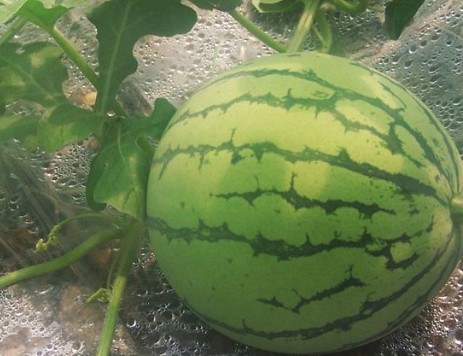
Watermelon is juicy and sweet, fine in texture and cool in nature, and is a rare summer treat for beating the heat. The benefits of eating watermelon in summer are numerous. In ancient Chinese medical texts, watermelon has the fine reputation of being a "natural White Tiger Decoction." What are the benefits of eating watermelon in summer? Modern research shows that watermelon has an extremely high water content, accounting for 91%-93%. In addition, watermelon also contains protein, glucose, fructose, malic acid, glutamic acid, multiple vitamins, and nutrients such as calcium, phosphorus and iron, which are beneficial to human health. Watermelon has the effects of clearing heat, relieving summer heat and promoting urination. In particular, the rind of watermelon is even better at clearing and draining damp-heat. After eating it, the pathogenic damp-heat can be expelled with the urine, so people with skin eczema are especially suited to eating more watermelon.
Fresh jujubes have extremely high nutritional value. They are rich in organic acids, carotene, protein, and trace elements such as iron, calcium, phosphorus and selenium that are essential to the human body. They are rich in vitamin C and contain nutrients such as "cyclic adenosine monophosphate" and "glucoside," and have remarkable effects on beauty care, treating high blood pressure and preventing cancer. Therefore, a famous saying has been passed down among people: "Eat three jujubes a day, and you will never look old in your life." Fresh jujubes have the effects of benefiting qi, nourishing blood, tonifying the spleen, strengthening the stomach, promoting body fluids, quenching thirst, strengthening the spirit and boosting strength. They are suitable for people with weak spleen and stomach, poor appetite, loose stools, insufficient qi and blood, anemia and blood deficiency, sallow and thin complexion, and restless sleep. However, eating too many fresh jujubes has the opposite effect of promoting dampness and generating heat.
Because of its graceful tree form, concentrated flower clusters, abundant flowers and beautiful flower color, papaya is also often used as an ornamental tree species. It can also serve as rootstock for grafting crabapple, or be cultivated as a bonsai in courtyards or gardens, and has the functions of urban greening and landscape creation. It has the effects of strengthening the spleen and stomach and aiding digestion, and can be used in dietary therapy for conditions such as stomach pain and indigestion.
Figs strengthen the stomach and clear the intestines, reduce swelling and remove toxins. They treat enteritis, dysentery, constipation, hemorrhoids, sore throat, carbuncles, sores and scabies, soothe the throat, stimulate appetite and expel parasites. They are used for poor appetite, abdominal distension and pain, hemorrhoids and constipation, indigestion, hemorrhoids, rectal prolapse, diarrhea, insufficient milk, sore and swollen throat, heat dysentery, cough with excessive phlegm and other conditions. They have the effects of strengthening the spleen, stimulating appetite, clearing heat and moistening the intestines, and can be used in dietary therapy for conditions such as poor appetite, constipation and diarrhea with dysentery.
The general population can eat it. It is suitable for people with indigestion, poor appetite, hyperlipidemia, high blood pressure, coronary heart disease, arteriosclerosis, cancer, and constipation. It is not suitable for people with fatty liver, cerebrovascular accidents, diarrhea, and normal potassium periodic paralysis; those with loose stools should not eat it raw.