Regular consumption of walnuts can eliminate plaques, whiten the skin and benefit brain health for both young and old
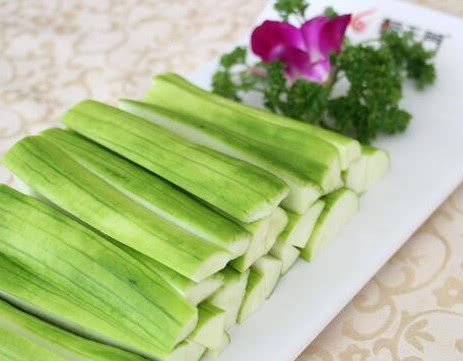
Do you like eating loofah? If you don't know the benefits of loofah, be sure to read to the end! Loofah contains B vitamins that prevent skin aging, vitamin C that whitens the skin and other components, which can protect the skin, eliminate plaques, make the skin white and delicate. It is a rare excellent beauty product, hence loofah juice is called "beauty water".
Anti-scurvy: Loofah has a relatively high vitamin C content and can be used to fight scurvy and prevent various vitamin C deficiency diseases. Brain health and beauty: Because loofah has a high content of vitamin B and other nutrients, it is beneficial to the brain development of young children and the brain health of middle-aged and elderly people; the juice of the loofah vine stem has the special function of maintaining skin elasticity and can beautify and remove wrinkles. Antiviral and anti-allergic: Loofah extract has a clear preventive effect on Japanese encephalitis virus, and an anti-allergic substance called bryonolic acid has also been extracted from loofah tissue culture fluid, which has a strong anti-allergic effect.
When eating loofah, it should be peeled. It can be served cold, stir-fried, braised, made into soup, or juiced for dietary therapy. Wash the loofah, slice it, blanch it in boiling water, then mix it with sesame oil, soy sauce, vinegar and so on to make cold dressed loofah. When cooking loofah, because loofah is rich in water and juice, it should be cut and cooked immediately to avoid nutrient loss; in addition, use less oil, and thicken it with a thin starch slurry to retain its fragrant, tender and refreshing characteristics.
Root (loofah root) can promote blood circulation, dredge collaterals and reduce swelling. Used for nasal congestion and runny nose. Vine (loofah vine) dredges meridians and collaterals, relieves cough and resolves phlegm. Used for low back pain, cough, nasal congestion and runny nose, cough. Leaf (loofah leaf): bitter, sour, cool. Stops bleeding, resolves phlegm and relieves cough, clears heat and detoxifies. Used for whooping cough, cough, thirst due to summer heat, traumatic bleeding, scabies, pemphigus and prickly heat. Fruit vascular bundle (loofah sponge): sweet, neutral. Clears heat and detoxifies, promotes blood circulation and dredges collaterals, promotes urination and reduces swelling. Used for muscle and bone pain, chest and hypochondriac pain, amenorrhea, insufficient lactation, breast abscess and edema. Fruit stalk: used for chickenpox and measles in children, and sore and swollen throat. Fruit peel: used for incised wounds, boils and buttock sores. Seed (loofah seed): slightly sweet, neutral. Clears heat and resolves phlegm, moistens dryness and expels parasites. Used for cough with excessive phlegm, parasite expulsion and constipation.
Women with irregular menstruation, physical fatigue, phlegm and wheezing cough, or postpartum insufficient lactation are suitable to eat more loofah. People with bodily weakness and internal cold, or diarrhea, should not eat too much. Have you remembered it? Don't forget to tell the friends around you!