Curculigo Planting Techniques and Precautions
Curculigo, also known as Dizong (Sichuan, Guizhou), Dumao (Sichuan), Shandangshen (Fujian), Xianmaoshen (Yunnan), Hainanshen (Hainan), Maozhaozi, and Brahmi ginseng, is the dried rhizome of the Amaryllidaceae plant Curculigo orchioides Gaertn. It was first recorded in the "Haiyao Bencao." Its leaves resemble thatch grass (mao), and taking the rhizome over a long period nourishes essence and replenishes marrow, boosting vitality, hence the name Xianmao (immortal thatch). Its flavor is pungent, its nature hot; it is toxic. It enters the Kidney, Liver, and Spleen meridians. It has the effects of tonifying the kidney and supporting yang, benefiting essence and blood, strengthening bones and muscles, and promoting blood circulation and reducing swelling. It is mainly used for conditions such as kidney yang deficiency, impotence and seminal emission, consumptive internal injury, and bone and muscle pain. It is mainly native to the southern provinces of China, and is also found in Vietnam, India, and other places. It grows wild in sunny spots of plains and wastelands, or mixed among thatch grass and Dicranopteris ferns on hillsides. It prefers a warm and humid environment. In winter the aboveground parts wither; it is not cold-tolerant and slightly drought-tolerant. It has low requirements for soil and can be planted in general land, but note that it dislikes waterlogging. Now let us introduce the specific planting methods for curculigo:
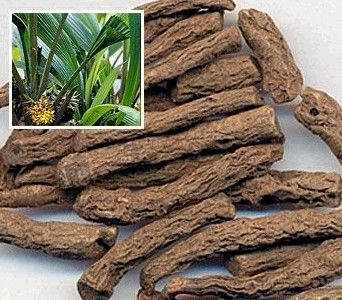
[Planting Techniques]
(1) Propagation methods: seed propagation or division propagation.
1. Site selection and land preparation: Choose sunny, well-drained sandy loam with deep soil layers and rich humus content in mountainous, hilly, or plain areas. Clear the entire area, plow 30 cm deep, remove weeds, apply base fertilizer, break up the soil and rake it level, make beds 1.2 m wide, and dig drainage ditches.
2. Seed propagation: After collecting seeds in September, mix the seeds with moist sand for storage. Sow between March and April of the following year. When sowing, open shallow furrows 2-3 cm deep with a row spacing of 20 cm. After sowing the seeds in rows, cover with fine soil, just enough to cover the seeds, then cover with grass and water. Afterwards, take care to maintain soil moisture. When the seedlings are about 5 cm tall, thin them appropriately. After 2 years, dig out the small seedlings in winter or spring for transplanting, with a hole spacing of 20-25 cm, planting 3-4 plants per hole. After planting, press the roots firmly and water.
3. Division propagation: In winter or spring, dig out the mother plant, carefully separate the tiller buds so that each division has 1-2 buds, and plant them directly into holes, planting 2-3 divisions per hole.
(2) Field management
1. Cultivation and weeding: Because the entire growth period is relatively long, cultivation and weeding should be done once every other month.
2. Topdressing: During the seedling stage, mainly apply nitrogen fertilizer. After planting, apply human manure or compound fertilizer once each in spring and summer, and apply phosphate and potassium fertilizers such as barnyard manure, superphosphate, and turf mud once each in autumn and winter. After each topdressing, combine it with earthing up the soil.
[Pest and Disease Control]
Black spot disease begins by damaging the leaf tips, which turn yellow and brown, gradually spreading toward the leaf base until the entire leaf withers and dies. In the early stage of the disease, spray with 1:1:100 Bordeaux mixture.
[Harvesting and Processing]
Harvest in spring from February to April before sprouting, and in autumn from July to September when the plants wither. After digging them out, remove the root heads and fibrous roots, wash off the soil, and sun-dry them.