After topping the kalanchoe 3 times, I don't want to top it again, so I'll just let it grow freely.
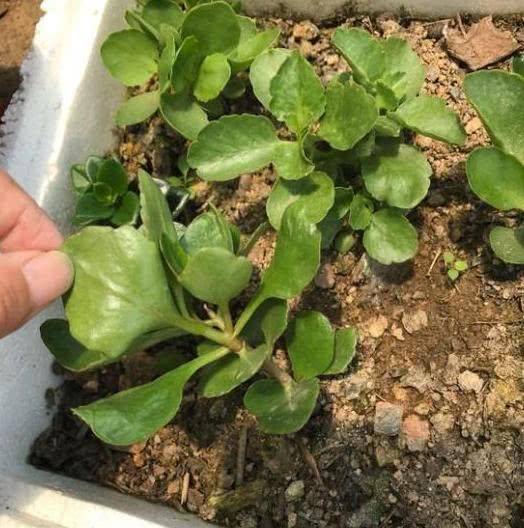
I already have a lot of kalanchoes at home, and after each topping I propagate the cuttings. This one has already been topped 3 times, so I'm not planning to top it again, just letting it grow freely.
Kalanchoe needs frequent pruning. After pruning, nutrients can be conserved, and the aesthetics of the branches and leaves can also be managed. Then, after about 1 year of care, it can be repotted, which keeps the potting soil loose and fertile and benefits the plant's growth.
The purpose of topping and pinching kalanchoe is to promote branching, increase the number of blooms, and control plant height. It is a common method in kalanchoe shape management. The most commonly used pruning and shaping methods for kalanchoe are pinching (nipping), topping, and removing side shoots. But pinching, topping, and removing side shoots are common auxiliary methods for controlling the height and shape of kalanchoe.
However, some gardening enthusiasts are used to topping their kalanchoes, and this is actually fine too. Although it looks a bit ugly after cutting, it can stimulate new buds to sprout. The topping mentioned here is not just cutting off the flowers; you need to cut down to the 2 to 3 layers of leaves closest to the soil surface, and all the rest should be cut off. In this way, more flowers will bloom in the next flowering season. Rooting kalanchoe tip cuttings is one of the most common kalanchoe propagation methods; it has a high survival rate and roots relatively quickly.