The relationship between lymphocytic interstitial pneumonia and active hepatitis
Interstitial pneumonia is a common disease of the lungs, and lymphocytic interstitial pneumonia is one type of interstitial pneumonia (LIP). It is a diffuse infiltration of mature small lymphocytes within the pulmonary interstitium (alveolar septa, vessel walls and bronchial walls), generally a chronic, benign disease interspersed with a small number of plasma cells and histiocytes, with no intrapulmonary lymph node lesions or necrosis. Active hepatitis, meanwhile, is a disease that commonly complicates lymphocytic interstitial pneumonia in adults.
Lymphocytic interstitial pneumonia
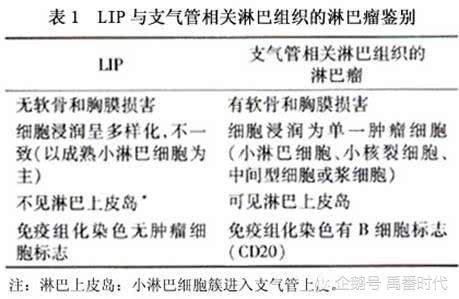
Lymphocytic interstitial pneumonia occurs mostly in immunodeficient patients, mainly in infants and young children and other children infected with HIV, presenting as lymphocytic interstitial pneumonia, AIDS and so on. After adulthood it may again be accompanied by chronic active hepatitis, systemic lupus erythematosus, thyroiditis, autoimmune hemolytic anemia, myasthenia gravis and so on. The histological structure of lymphocytic interstitial pneumonia and pseudolymphoma is extremely similar.
Therefore, some scholars and experts call lymphocytic interstitial pneumonia diffuse lymphocytic interstitial pneumonia or diffuse lymphoid tissue-like hyperplasia, to distinguish it from pulmonary pseudolymphoma. After adulthood, lymphocytic interstitial pneumonia is mostly complicated by active hepatitis, which in fact means infection with hepatitis B virus, with acute hepatitis B developing and then transforming into chronic active hepatitis, known as HBsAg-positive chronic active hepatitis.
Chronic active hepatitis
The transformation from acute hepatitis B to chronic hepatitis B is mainly due to treatment errors, delayed treatment, excessive fatigue, excessive drinking, disturbance of the body's immune function and so on, transforming into chronic active hepatitis. Systemic lupus erythematosus, thyroiditis, autoimmune hemolytic anemia, myasthenia gravis and so on may also appear at the same time or later.
If you have any questions or need help, please call 0106217064913269852331