3 kinds of flowers that bloom into a sea of flowers all summer long, turning your balcony into a small garden
These three kinds of flowers bloom all summer long, blooming into a sea, turning the balcony into a small garden.
Moss rose
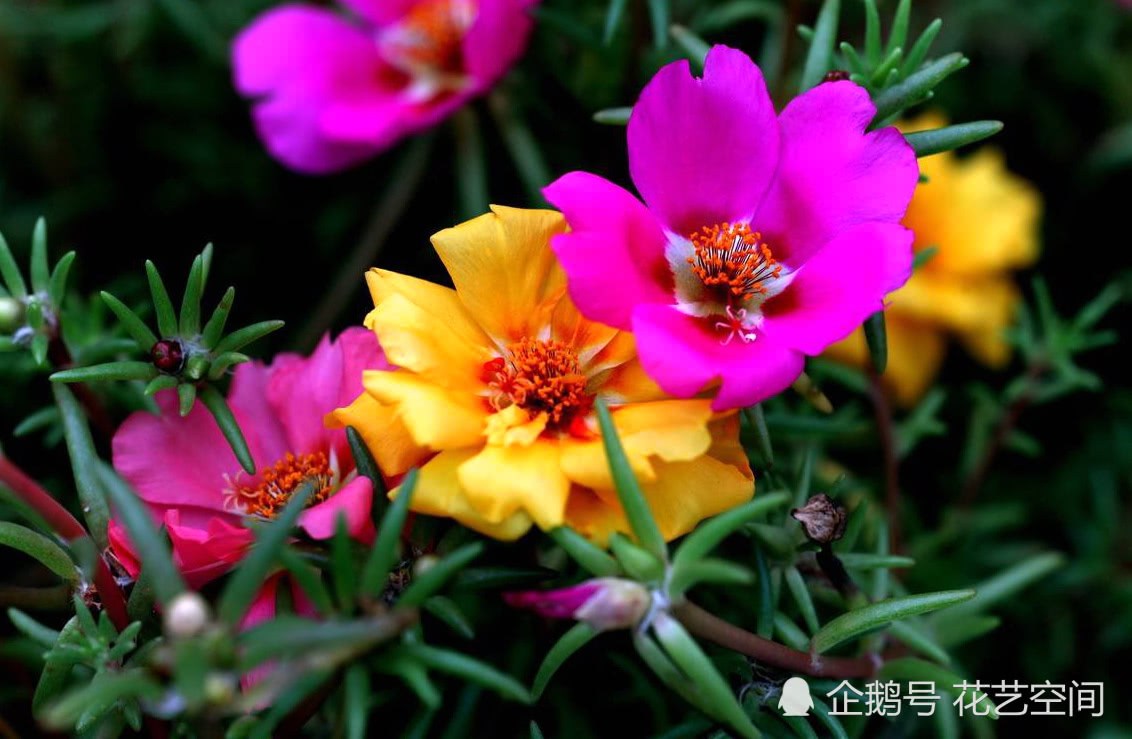
Moss rose, also known in my hometown as "can't die," has a blooming period from June to October, with extremely vigorous vitality. Broken branches buried in soil can quickly take root, bloom, and produce seeds.
Moss rose can be grown as a potted plant or planted in the ground to decorate a courtyard. It is a very easy-to-grow flower that loves sunlight. It is also very interesting: in the morning and evening, the flowers do not fully open; only when there is sufficient light do the petals open completely, as it is greatly influenced by light.
It comes in many colors - red, pink, orange, yellow, and more - with bright, eye-catching colors. It also has single-petaled and double-petaled varieties. Double-petaled moss roses have the noble elegance of peonies and easily bloom into a sea of flowers, making it impossible not to love them.
Daily care
For the soil, you can use garden soil mixed with leaf mold, coal cinders, and organic phosphorus fertilizer, such as rapeseed fertilizer.
Usually place it in a spot with plenty of sunlight, and in summer be careful to shade it from strong light.
It is relatively drought-tolerant and afraid of waterlogging. After each watering, remember to loosen the soil promptly.
Usually bury some slow-release compound fertilizer in the soil, a few granules every 30 days, and it will grow lush foliage and bloom continuously.
Snapdragon
Snapdragon, also known as dragon's head flower, is a perennial herbaceous plant originally from the northern Mediterranean coast and northern Africa. Its blooming period is from April to October. It comes in many colors, such as deep red, light red, deep yellow, and more. The colors are vivid and highly ornamental, very eye-catching. Place a few pots on your balcony and it instantly becomes a sea of flowers, turning into a small garden.
Moreover, snapdragon can also monitor chlorine gas. If indoor chlorine gas is too high, its leaves will develop spots or patches, testing whether the living environment is healthy. Its functions are very comprehensive.
Daily care
Choose loose, breathable, well-draining sandy soil. You can use peat moss mixed with perlite.
Snapdragon loves water very much. Water it once daily and spray water on the leaves to support its normal growth.
Snapdragon also likes light. Ensuring 4 to 6 hours of sunlight daily will make the colors vivid and the growth vigorous.
Crown of thorns
Crown of thorns can bloom year-round in suitable conditions. Its flowers are small, delicate, simple, and cute, in red and yellow. Place one pot indoors to add charm to life, and your balcony can become a colorful small garden.
Crown of thorns has good adaptability to its environment and vigorous vitality, but it grows slowly - reportedly only about 10 cm per year - yet it has a long lifespan, reaching up to 30 years. It can be said that planting one gives you 30 years of flowers to enjoy.
Daily care
Crown of thorns is relatively tolerant of poor soil. Peat moss mixed with perlite is fine. If you don't have peat moss and perlite, you can also use garden soil mixed with leaf mold and river sand.
The most suitable temperature for crown of thorns is 15 to 20°C. With suitable temperature, it can bloom year-round, but its normal flowering season is winter and spring.
Crown of thorns is relatively drought-tolerant. Watering too frequently is actually harmful to it. After each watering, loosen the soil promptly to prevent the soil from becoming compacted.
The white sap in the stems and leaves of crown of thorns is toxic. If there are children at home and they accidentally come into contact with it, they can easily be poisoned, so families with young children should be cautious about growing it.
Latest articles
Put this thing in the pot, and orchids keep sprouting new shoots, blooming in clusters, with more flowers every year!
If jasmine doesn't bloom, use a little trick: lush foliage in 1 month, bursting with blooms!
If you like pennywort, these 2 points cannot be ignored: every leaf grows from fingernail-sized to fist-sized, shiny green