Make Potting Soil More Acidic: Stop Using Vinegar in Summer, Old Flower Growers Say This Works a Hundred Times Better Than Vinegar
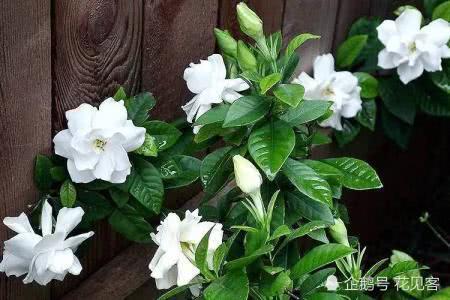
Summer is a dormant period for many plants, but for some flowers it is a time of abundant blooming, showing their most beautiful and splendid side, such as gardenias, jasmine, and so on, with pure white flowers and rich fragrance.
In order to help the flowers grow and bloom better, many flower enthusiasts use salt-free vinegar to increase soil acidity, so that they grow very luxuriantly and bloom abundantly.
Although using vinegar to change and increase soil acidity can, to a certain extent, promote the growth and blooming of flowers, it is not the best method. I once knew an old flower grower, and he used another thing, which can not only increase the acidity of the soil, but also promote the differentiation of new buds, produce more flower buds, and more importantly, effectively disinfect and sterilize, working a hundred times better than vinegar.
The "it" used by the old flower grower is willow sap, or rather the salicylic acid, etc. in willow sap. Using these to grow flowers can make the flowers grow like crazy and bloom batch after batch.
Specific method: collect a few new healthy willow branches, put them in a container and crush them, then add some clean water to soak, and after one day they are ready to use. Take the supernatant liquid, dilute it 100 times directly, and pour it into the potting soil. Water once every 2-3 days, and after half a month of continuous watering, you will clearly see that gardenias, jasmine, and so on have become lush with branches and leaves, and bloom more, more brilliantly, and more fragrantly.
Care of common gardenias and jasmine during the flowering period:
1. Gardenia
By June, gardenias have basically fully bloomed. At this time, you should promptly prune off the spent flowers to reduce nutrient consumption and encourage new shoots to sprout. When the new shoots grow 2-3 nodes, pinch them, and also appropriately prune off some axillary buds, so that the plant becomes fuller and more luxuriant, promoting the next round of bud formation and blooming.
2. Jasmine
If jasmine is well cared for, it can bloom 3 times in a row, one wave after another, without interruption, so light, fertilizer and water, and pruning are very important during the care process.
Provide sufficient fertilizer, water, and light, but summer sunlight is rather strong, so appropriately weaken the light for it, otherwise it can easily scorch the leaves. Apply thin fertilizer frequently, and generally water once a day. During the care process, keep pruning to reduce unnecessary nutrient consumption, concentrate the supply for bud formation and blooming, and let it continue to bloom.
That is all for increasing the acidity of potting soil. If flower enthusiasts have other additions, you can share them with everyone in the comment section below. If you want to learn more about flower growing knowledge, you can follow Huajianke!