Scientific jasmine care: mixing this into potted soil stops blooming and can even kill the plant
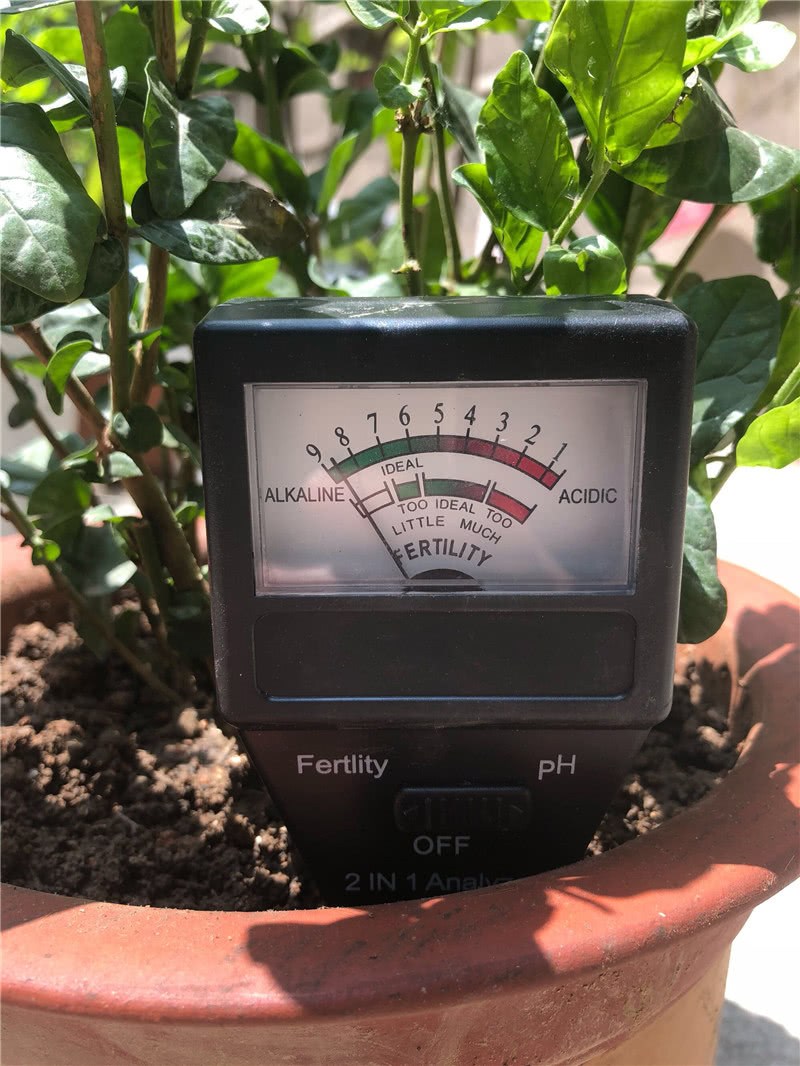
June is just leaving and July is almost here. In this season, jasmine is at its most beautiful. The little gardener knows a jasmine owner who loves flowers as if they were his life. He had planned to visit his home to admire the flowers and shoot some videos as the jasmine bloom season approached, but unexpectedly the flower friend said this year's jasmine could not be grown well, all because of one thing he did! The little gardener will now share the whole story with flower friends.
The item in the picture above is a pH meter this jasmine owner had just bought online. As soon as it arrived, he inserted it into his pot to test whether it was accurate. The reading was just like the picture above: the jasmine potting soil was alkaline, and not just slightly, but a bit too far off. He thought the device was faulty, so he also used it to test some humus soil.
Looking at the data (as shown above), it was very normal, slightly acidic (PH=7 is neutral). So the device clearly had no problem, which meant the soil he used to grow jasmine did. The owner probably knows that jasmine likes slightly acidic soil, and this soil was alkaline, which affects growth and flowering. When growing jasmine, we had best water it with an acidic organic nutrient solution. It suits jasmine's taste better, can keep the roots healthy, and makes it bloom more fragrantly.
Without another word, this owner immediately repotted. At that point, he remembered something he had buried in the soil: honeycomb coal cinders. Coal cinders contain salt and alkali, as we all know. So he specifically took the coal cinders and tested them, and the data was very telling: as shown in the picture below.
Highly alkaline. Clearly, the reason his potting soil was alkaline was these coal cinders. Some owners might say improper watering and fertilizing can also cause soil salinization and alkalization, but in this case the main reason was still the added coal cinders. If everyone wants to use coal cinders for growing flowers, it is best to treat them before use: first crush them, soak them in rainwater, wash them, and sieve them before use. There is nothing more to say, so hurry up and change the soil for the jasmine!
This time he changed the soil mix and no longer used coal cinders. He kept that stuff to treat and use later. What he used now was: humus soil + pine needles + sand, mixed together and then used to pot the jasmine. If flower owners are growing jasmine, everyone can also refer to this method, but do not use untreated coal cinders.
After potting, he tested again with this device. OK, slightly acidic, success. However, repotting at this time will surely greatly reduce this year's second and most beautiful wave of summer blooms. Hopefully the third wave of flowers will burst into a full pot. Jasmine owners, when growing jasmine, do not casually use coal cinders. Safety first.