How to prune the roots of a clivia? Detailed explanation of the correct method and precautions
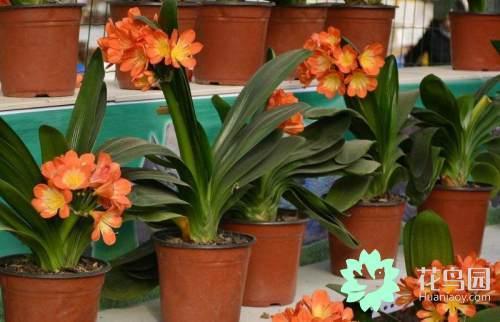
Gardeners may run into these problems when growing clivias. The longer a clivia is grown, the more roots it develops, and the more roots there are, the less potting soil remains. At this point the clivia's growth will become increasingly poor. That is when we need to repot it and prune its roots appropriately at the same time.
So how should root pruning be carried out? Many beginner gardeners do not know much about how to prune clivia roots, and some gardeners may be encountering a clivia for the first time and are seeing root pruning for the first time too. So today we will introduce the method for pruning clivia roots.
1. Clear away the soil
When pruning a clivia's roots, we first need to shake off the soil wrapped around the roots. We take the clivia out of the pot and withhold water for a few days so that the soil is easy to remove without causing excessive damage to the roots. We gently pat the outer area of the roots and soil with the palm of the hand. Let the soil separate completely from the roots, slowly clean the soil away, and then rinse the clivia's roots clean with clear water.
2. Prune the roots
The clivia's roots are fleshy. Although they look rather thick and sturdy, they are in fact very fragile. In daily care, as old roots rot and new roots grow, many roots will become rotten or hollow and dried out over the course of long-term growth. Pruning its roots means cutting off those roots that have already begun to rot or have already dried out.
3. Root pruning method
The technique of root pruning is actually very simple. When you can use your hands, do not use tools. For example, when shaking off the soil, we had best use our hands directly rather than tools, so as not to damage the new roots. When pruning roots, we can remove the rotten roots and hollow roots by hand, and we should handle them gently with our hands as much as possible. Using tools makes it relatively easy for new roots to be broken or otherwise damaged.
After cleaning away the rotten roots and hollow roots, if we find that some of the new roots have been badly damaged, we need to disinfect them. Common disinfectants include potassium permanganate and carbendazim. If the damage is relatively minor, we can simply leave it alone and continue potting it up for care.