How do you prune the branches and leaves of a lilac? Mastering the correct method is very important
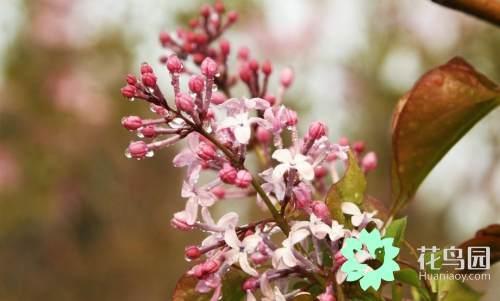
The lilac not only has elegant and refined flowers, but also comes with wave after wave of fresh fragrance, making it delightful to the eye and refreshing to the mind. How should you prune the branches and leaves of a lilac to make it more beautiful?
1. Thinning pruning
Thinning pruning is relatively severe, mainly to maintain the lilac's tree shape and growth momentum, which benefits its growth and flowering the following year. Thinning pruning should be done after leaf fall each year, mainly to remove diseased and pest-damaged branches, dead branches, weak and slender branches, inner-canopy branches, overlapping branches, and leggy branches that affect growth and appearance; all the small side branches on the lower part of the main branches need to be cut off; aged large branches should also be removed, so that the remaining main branches keep even spacing and moderate density.
2. Heading back
Heading back is light pruning, mainly for plants that do not need to be kept for seed, thinning out the overly dense branches in the inner canopy to increase ventilation and light penetration and accelerate the sprouting of new branches and the formation of flower buds. The lilac's inflorescences are all borne at the tips of the branches, with the terminal buds differentiating into flower buds, so after the plant enters its flowering period (except when cutting fresh flowers) heading back should not be carried out, and pruning should wait until after the flowers fade. Each year in late spring and early summer, when the inflorescences begin to fade, if seed is not being kept, the spent flowers can be cut off together with the two buds below the flower spike to reduce nutrient consumption. On plants where the spent flowers are not cut off, the number of flowers the following year will be greatly reduced, and they may even fail to bloom.
3. Cutting fresh flowers
The lilac has an excellent ornamental effect and is an important cut flower for indoor vase culture in water. When cutting flower branches, you must cut close to the side branch below, and you must not break them off by hand; leave as few stubs as possible. A mature large clump of lilac can provide a large number of cut flowers each spring, but when cutting flowers from a young lilac that is flowering for the first time, the quantity should not be too large, otherwise it will affect the growth of the young tree.