Clivia blooms continuously for 20 years, and the old man grows 100 flowers with 4 clever tricks
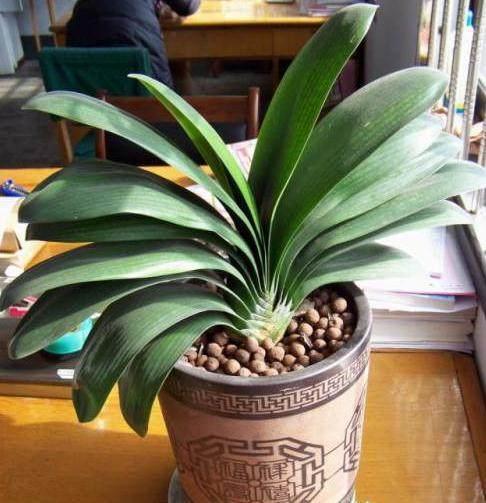
Everyone says growing clivia is not easy, but there are also some experienced flower lovers who can easily grow clivia well, blooming every year with large and vivid flowers, and never with stuck flower arrows. As a relatively long-lived flowering plant, clivia can generally be grown for twenty to thirty years, and such clivia is truly quite valuable. In fact, to grow clivia well, you also need to master some small tricks. In the end, when growing flowers, you still have to care for them with your own heart, so that the flowers bloom most beautifully.
Today I will share with you 4 little "tips" from the elderly neighbor about caring for clivia. These care experience and techniques have all been tested and are very practical. Of course, some of these tips may already be known to you and in use. To help everyone grow clivia well more quickly, I will summarize them. Remember to save them~
1. Bury some soybeans in the clivia flower pot
Growing clivia naturally requires fertilizer. For flower fertilizer, it is best to use organic fertilizer, such as barnyard manure, chicken manure, and fermented fish bones, pig bones, etc. But these organic fertilizers have too strong an odor, and the roots are not suitable for using them to grow clivia. However, soybeans can replace them. Because soybeans are rich in lecithin and protein as well as various trace elements needed by plants. They are especially suitable for the growth of potted flowers. Soybeans used to grow flowers must be fermented.
How to use soybeans to grow flowers: Soak half a jin of soybeans in tap water for one day, then cook them and wait for them to cool. Put them into a sealed container, fill it with water, seal it, and place it in a cool place for two to three days before taking it out, then directly bury it in the clivia flower pot. To prevent the fermented soybeans from having an odor, you can put some orange peel in the container to remove the smell.
2. When watering flowers normally, add a little beer to prevent stuck flower arrows
After clivia gets stuck flower arrows, it really looks ugly, and the whole plant no longer looks beautiful. Moreover, stuck flower arrows easily become a habit. If it happens this year, it is very likely to continue happening next year. So measures must be taken to prevent clivia from getting stuck flower arrows. Through the exploration of most flower lovers, it has been found that using beer to water clivia over the long term can effectively prevent the occurrence of stuck flower arrows in clivia.
Beer contains maltose and various trace substances, and also easily produces carbon dioxide. When poured into the clivia flower pot, it not only nourishes the root system, but also makes the potting soil looser and more breathable. Using beer to grow flowers over the long term can also make them bloom earlier and shoot arrows faster.
3. Spray clivia leaves with potassium dihydrogen phosphate solution
When clivia is not blooming, its leaves are emerald green and can be enjoyed as a foliage plant, and can also add a lot of greenery and vitality to the room. However, sometimes the leaves of clivia turn yellow. There are many reasons for yellowing leaves. Besides insufficient light, overly frequent watering, insufficient fertilization, and unsuitable temperature can all cause yellow leaves. What we need to do is prevent yellow leaves from occurring and stop them in time when slight yellowing appears.
The phosphorus and potassium in potassium dihydrogen phosphate are essential elements that promote lush leaf growth in plants. Research shows that when plants lack phosphorus and potassium, they are very prone to yellow leaves, dry tips, and fallen flowers. Therefore, frequently spraying clivia leaves with potassium dihydrogen phosphate is very effective. Since potassium dihydrogen phosphate is a solid granule or powder, it needs to be dissolved in water and diluted. The dilution ratio is 1:30. Spray clivia once a month in the morning or evening.
4. Be sure to repot in time and check the clivia root system
The picture above shows clivia grown by the flower lover "QingqingLGQShuangshuang", and it can be clearly seen that the clivia roots have all rotted. Because clivia roots are fleshy roots, their growth is very developed. Whether for leaves or for shooting arrows and blooming, the root system plays a large role in absorbing nutrients. If the root system rots, clivia will soon develop yellow leaves, dry up, and fail to bloom. Apart from the potting soil not being breathable, we cannot determine what other reasons can cause root rot.
Therefore, I still suggest that flower lovers be sure to repot frequently. Repotting is also a chance to check whether the root system has rotted. Only in this way can clivia grow better. Because clivia roots grow quickly, it is recommended to repot every three months and replace the nutrient soil. If root rot is found, you can directly cut it off with scissors, then soak the roots in potassium permanganate solution for two hours, and dip them in some carbendazim before putting them into the pot. This can ensure the root system quickly recovers its vitality.
That is all for sharing knowledge about caring for clivia. Thank you for reading!
If you find it useful, remember to like and share~