Analysis of the Characteristics of Tuberous Sclerosis Complex with Pulmonary Lymphangioleiomyomatosis
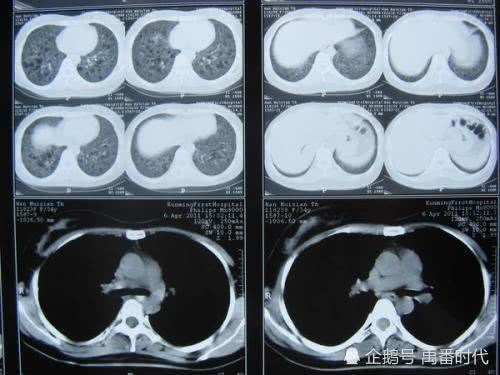
Tuberous sclerosis complex with pulmonary lymphangioleiomyomatosis is a congenital disease. Among these, pulmonary lymphangioleiomyomatosis is one type within tuberous sclerosis complex, along with tuberous brain sclerosis and others. According to the standard definition, tuberous sclerosis complex (TSC), also known as Bourneville disease, nevus syndrome, or tuberous brain sclerosis syndrome, is an autosomal dominant inherited neurocutaneous syndrome.
Pulmonary Lymphangioleiomyoma
TSC is a congenital autosomal dominant inherited neurocutaneous syndrome, and there are also sporadic cases. The affected population mainly consists of individuals with neurological dysfunction such as intellectual disability, epilepsy, and intellectual decline, with multiple organs involved including the brain, skin, peripheral nerves, and kidneys. Clinically, it is characterized by facial sebaceous adenomas, with an incidence rate of approximately 1/100,000, and rarely occurring in the elderly. Lymphangioleiomyomatosis (LAM) is the main pulmonary manifestation of TSC, and the probability of both conditions occurring together is relatively low.
Children and infants with congenital intellectual disability are the most frequently affected group for tuberous sclerosis complex (TSC), with an incidence rate of 1/6000, and a male-to-female ratio of 2:1. There are often phenomena of abnormal organ development in ectodermal tissue. There is also non-lymphangioleiomyomatosis, which occurs almost exclusively in premenopausal women, with 70% occurring between the ages of 20 and 40, only 5% occurring after age 50, and very few cases occurring after menopause.
Tuberous Sclerosis Complex
Congenital tuberous sclerosis complex is also hereditary, with a familial proportion of approximately 1/3. In terms of gene localization, TSC can be divided into four types: TSC1, TSC2, TSC3, and TSC4. Mutations in TSC1 and TSC2 respectively cause functional abnormalities in hamartin and tuberin, affecting their cell differentiation regulatory function, thereby leading to abnormal growth and differentiation of ectodermal, mesodermal, and endodermal cells.
If you have any questions or need assistance, please call 0106217064913269852331