How to use ferrous sulfate? The correct way to use it for acid-loving flowers such as azaleas and jasmine
Friends who love growing flowers will always hear special terms like "acid-loving flowers" and "ferrous sulfate" on various learning and exchange platforms. Many flower enthusiasts cannot correctly understand what they mean, which leads to blind imitation, and not only does it fail to help much with growing flowers, but it instead hinders the growth of the flowers. Today we will take a deep look at the correct meaning of these two terms and how to correctly use ferrous sulfate.
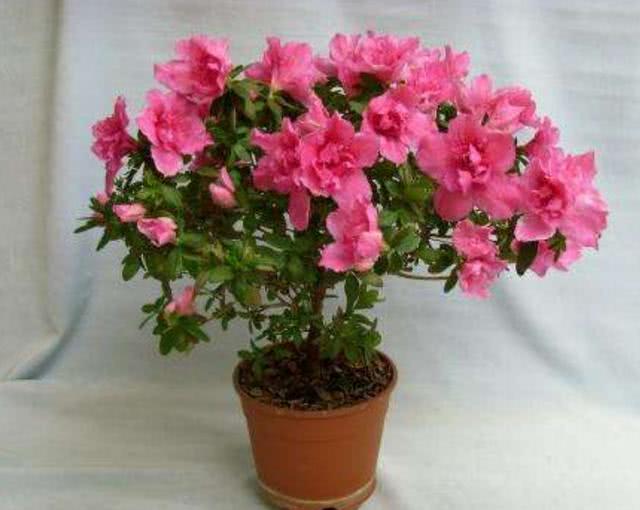
Acid-loving flowers are flowers that prefer acidic soil and can only grow well, or reproduce normally, in an acidic environment. They are all plants, so why are some especially acid-loving? This has a lot to do with their original growing environment. Flowering plants such as azaleas, gardenias, jasmine, camellias, and Aglaia odorata mostly come from southern China. Everyone knows that due to regional differences and different climatic conditions between northern and southern China, the soil in the south tends to be acidic, while the soil in the north tends to be alkaline. These acid-loving flowers from the south reach the north through various means of transport, and are bound to be unsuited to the more alkaline growing environment of the north, so bud drop and bud shedding, yellowing leaves, and wilting occur. In addition, the water quality in the north is also more alkaline. If it is not improved, it will worsen the wilting or death of the flowers, and ferrous sulfate happens to effectively improve the alkaline tendency of soil and water quality. Moreover, even if these flowers grow normally in the south, they cannot do without supplemental iron. Therefore, we recommend adding some ferrous sulfate when watering acid-loving flowers.
Ferrous sulfate is a soil conditioner, not a fertilizer. The iron in ferrous sulfate is one of the essential elements for plant growth and an essential element for the formation of chlorophyll. When plants are deficient in iron, the leaves lose their green color, and phenomena such as stunted plants that do not grow, chlorosis, and scorched and falling leaves and flower buds are likely to occur.
Although ferrous sulfate can regulate soil pH, it must not be used in excess. Flowering plants such as azaleas, jasmine, gardenias, camellias, Aglaia odorata, kumquats, and clivias, as well as some acid-loving foliage plants such as sago palms, Monstera deliciosa, rubber trees, and Buddhist pines, mostly prefer slightly acidic soil rather than strongly acidic soil. Excessive use that makes the soil strongly acidic is instead harmful to plant growth. It is generally recommended that when watering these plants, during their vigorous growth period, use a 1:2000 ferrous sulfate solution once a month, which can provide a good soil improvement effect.
Ferrous sulfate is a pale green crystalline substance and is easily oxidized in air, so after each use, tighten the bottle cap. If the color is found to have turned yellow, it means it has deteriorated and should be stopped immediately. In addition, mix ferrous sulfate with dried manure, cake fertilizer, and water in a ratio of 1:3:5:100, place it in a sealed plastic container, and after full fermentation it becomes a dark green liquid, namely alum fertilizer water. After dilution, use it to water these acid-loving flowers. This not only supplements nutrients for the flowers, but also quickly alleviates chlorosis caused by alkaline soil or iron deficiency.
Ferrous sulfate