Jasmine and Gardenia Turning Yellow Right After You Bring Them Home? One Simple Trick Brings Them Back to Life and Makes Them Explode with Blooms
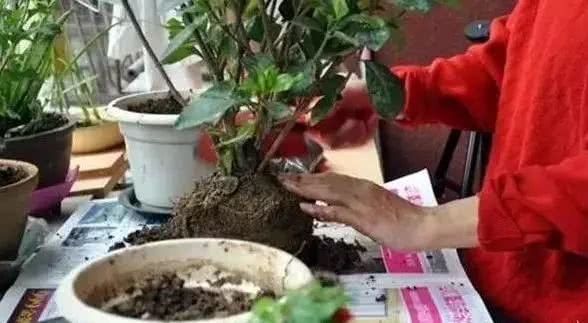
When we go to the market to buy flowers, we always pick the ones with the prettiest blooms and the most buds. They're fine for the first 2 days after we bring them home, but maybe 3-5 days later, problems like bud drop and yellow leaves start to appear, especially with gardenias and jasmine. Why exactly?
The gardenias and jasmine at the flower market are all grown in greenhouses with constant temperature and humidity - they are hothouse flowers with relatively poor adaptability. When they're sold, they're divided and potted up, and it's easy to damage the roots in the process. On top of that, they have to adapt to a new environment, so yellow leaves and bud drop after you bring them home are perfectly normal.
Freshly bought flowers usually carry many flower buds. The priority isn't waiting for them to bloom, but first letting the plant adapt to its environment - survival comes first. So grit your teeth and snip off some of the buds; once the plant is thriving, blooming is only a matter of time. Many flower lovers find that after buying a gardenia, the pot is full of yellow clay soil. In soil like that, the plant will be dead sooner or later, so repot it right away.
Jasmine soil mix: Jasmine likes slightly acidic soil rich in humus with good crumb structure. For container growing, use an unglazed clay pot that drains and breathes well.
Mix garden soil, humus soil and granular soil in a 5:2:3 ratio.
Mix compost, garden soil and fine sand in a 4:4:2 ratio.
Mix humus soil, garden soil and wood shavings in a 1:1:1 ratio, adding a small amount of organic fertilizer such as cake residue as a base fertilizer.
Mix garden soil and coal cinder ash in a 2:1 ratio, adding a small amount of organic fertilizer such as cake residue as a base fertilizer.
Mix leaf mold, peat soil, sandy loam and river sand in a 1:1:2:1 ratio, then add an appropriate amount of decomposed soybean cake as a base fertilizer.
Gardenia soil mix
For the potting soil, take equal parts of good sandy loam and peat soil. Sandy loam has some stickiness and can hold water and nutrients, while peat soil is formed from decaying leaves or turf, making it light, airy, water-retentive and acidic.
Use 4 parts leaf mold, 4 parts sandy loam and 2 parts river sand; this also achieves the goals of acidity, aeration, water retention and nutrient retention.
Simple trick: If you have old loofah at home, that's just great. The mature loofah sponge is full of hollows, making it extremely airy and well-draining. When repotting jasmine and gardenia, lining the bottom of the pot with it keeps the potting soil loose and airy, and the flowers will naturally grow well.
How to prepare it: Wash the old loofah and dry it in the sun, cut it into small pieces, and simply line the bottom of the pot with it when repotting - you can even layer it several times, alternating a layer of loofah sponge and a layer of soil. Loofah seeds are good stuff too: crush them and bury them directly in the soil to use as flower fertilizer.
How to make jasmine bloom more
Light: Jasmine loves hot, humid, airy conditions and needs plenty of light. With strong light, the branches grow sturdy, the leaves turn deep green, and the flowers are abundant and fragrant; with insufficient sunlight, the internodes are sparse, the flowers are few, and they lack fragrance.
Water: Jasmine is not drought-tolerant, but it also dislikes waterlogging. In the rainy season, promptly tip out any standing water in the pot, otherwise the leaves easily turn yellow. On hot sunny summer days, water twice a day, once in the morning and once in the evening. If you notice the leaves curling and drooping, spray water on the leaves to encourage growth.
Pruning: Jasmine grows very fast in summer, so prune it in time. For potted jasmine, prune back to leave 10 cm to 15 cm from the base to encourage plenty of thick new shoots. After the flowers fade, promptly cut off the flowering branches to reduce nutrient consumption; this also encourages new shoots, making the branches dense, the buds numerous and the blooms plentiful.
How to make gardenia bloom more
Soil: Be sure to use loose, fertile, acidic soil, and you can also mix in some materials that have this effect.
Light: Never put gardenia in the blazing sun, or the leaves will turn dry and yellow. It's best to place it where it receives 60% light daily.
Watering: Gardenia likes moisture, but if it's too wet, the roots and stems rot and the leaves turn yellow. So besides normal watering, also spray clean water around it frequently.
??????????
END??????????
Thank you all for reading, and thanks to my followers for your support
If you think this article is good, share it with your friends too
Don't forget to give mea likeOK
Reply: plant name (e.g.Money Tree): to see how to care for it