Clivia Hard to Bloom? Do This One Thing and It Will Bloom in a Potful Every Year
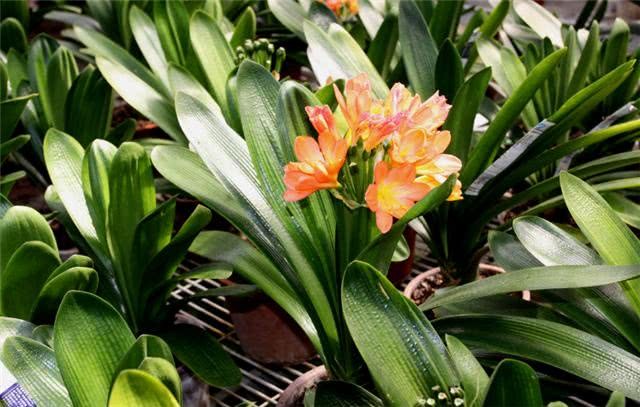
Clivia (Clivia miniata) is a flower that gardening enthusiasts often grow. Its leaves are upright, neatly arranged in two rows, perfectly symmetrical, and its orange-red flowers are gorgeous, giving the living room a dignified and elegant feel. Some enthusiasts do not quite understand how to grow clivia, which causes it not to bloom. You need to master these tips, and then your clivia will bloom.
Maintain Light for Clivia
Clivia likes a semi-shaded growing environment. People generally like to keep it indoors and let the plant carry out photosynthesis at night relying on lamplight. Doing this only lets the plant grow leaves, but it cannot promote flower bud growth. So it generally needs to be kept in a place without lamplight, or covered with a black plastic bag, and once the flower scape emerges, it can be cared for normally.
Suitable Temperature
Clivia fears heat and also worries about cold. The generally suitable temperature is 18-28°C. If the temperature is below 28°C, the flower buds cannot grow well, and then the flower buds will not be able to bloom. When caring for it, you must pay attention to the temperature, so as to avoid the temperature being too low and causing the clivia not to bloom.
Fertilizing Clivia
Clivia needs phosphorus and nitrogen for growth. When clivia is differentiating flower buds, it needs nutrients. If nutrients are insufficient, it is very hard to differentiate flower buds. Once too much nitrogen fertilizer is applied, the plant will grow leggy, affecting the growth of the clivia. Before flower bud differentiation, you can add some phosphorus fertilizer, which can promote the flower buds to produce scapes and bloom. When repotting, phosphorus fertilizer can be used as a base fertilizer to let the clivia grow better.
The above is an introduction to why clivia is hard to bloom and what matters need attention for it to bloom. I believe gardening enthusiasts now have a certain understanding of how to care for clivia so it blooms. In normal times, you should pay attention to maintaining sufficient light for the clivia, providing a warm environment, and supplementing phosphorus and potassium fertilizer, so that the clivia can bloom better.