What are the agricultural location factors? A detailed explanation of the key conditions affecting agricultural layout
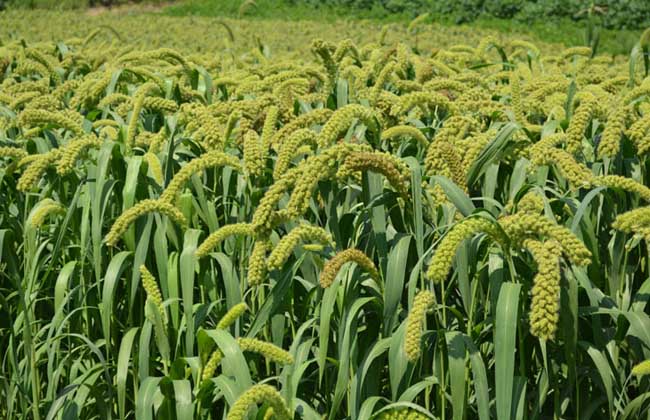
Agricultural production is the production sector in which people use the natural productivity of land to cultivate plants or raise animals to obtain needed products. Its production objects are plants and animals, and the growth and development processes of plants and animals require large inputs of natural conditions such as light, heat, water, terrain and soil, and different plants and animals need different natural conditions. Because natural conditions, socioeconomic conditions and national policies vary greatly around the world, agricultural location factors differ greatly from place to place.
Natural conditions
1. Climate: climate factors such as heat, sunlight, precipitation and monsoons have an enormous influence on agricultural location and are the most important factors affecting crop distribution and agricultural development. Different plants and animals require different climate conditions for growth and development, and the distribution of climate conditions shows obvious regional differences. Therefore, the choice of agriculture in a region should fully take local climate factors into account.
2. Water: in arid areas with annual precipitation of less than 250 mm, agriculture generally cannot be developed unless there is a source of irrigation water.
3. Terrain: different terrain areas are suitable for developing different types of agriculture. Plains have flat terrain and deep soil layers, which are conducive to achieving water conservancy and mechanization in agriculture and are suitable for developing arable farming. Mountain farming is inconvenient and not easy for soil and water conservation, but it is suitable for developing forestry and animal husbandry. The vertical differentiation of natural conditions in mountains makes crop distribution vertical and diverse, while complex terrain is suitable for diversified operations.
4. Soil: soil is the material foundation for crop growth, and different types of soil are suitable for growing different crops. For example, acidic red soil is widely distributed in the hilly areas of southeast China, and is suitable for planting tea trees and the like. Soil fertility also has a relatively large impact on agriculture. For example, in China's Northeast Plain (black soil) and North China Plain (calcareous soil), the soil is fertile and the per-unit-area yield of rice is relatively high.
Social conditions
1. Market: agricultural products must be sold on the market to realize their value, so market demand affects the type and scale of agricultural production.
2. Transportation: the choice of agriculture must fully consider local transportation conditions. Horticulture and dairy farming, among others, require convenient and fast modes of transportation because their products have relatively short shelf lives.
3. Policy: agriculture in all countries around the world is affected by national policies and government intervention. For example, since the 1980s, the Chinese government has actively built commercial agricultural production bases, which has had a profound impact on China's agricultural location.
Production technology
1. Industrial foundation: the development of agriculture requires a certain industrial foundation, and industry and agriculture are closely related. For example, Northeast China is an old industrial base, which is relatively favorable for agricultural development.
2. Labor force: the labor force is also one of the very important agricultural location factors. Without sufficient labor, there can be no intensive and developed agriculture. China's agricultural production has not yet developed to full mechanization. For example, rice cultivation and dryland grain farming require large amounts of labor.
3. Land price: the level of land price also determines the use and value of the area. If land rent is too high, no one will consider farming there and developing large-scale agriculture.
Technical conditions
1. Improved seeds: high-quality seeds can increase yields, such as Yuan Longping's hybrid rice.
2. Chemical fertilizers: chemical fertilizers can control pests and increase yields, and require relatively less land, but they are very harmful to the environment and will reduce the service life of the land.
3. Machinery: using agricultural machinery instead of manual sowing and harvesting can save time, improve efficiency and obtain greater benefits.
4. Irrigation: scientific irrigation techniques should be determined according to the local climate. For example, Israel is short of water and invented the drip irrigation method.