What is the most profitable thing to grow in rural areas in 2017?
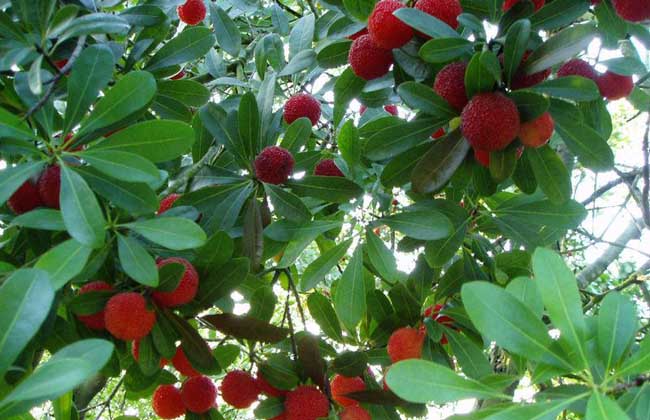
Planting includes the cultivation of various crops, forest trees, fruit trees, flowers and plants, medicinal and ornamental plants, and more. Nowadays, national policies have become favorable to farmers, and farmers in many regions have already become rich through planting. With the development of the times, environmental protection, green living and health preservation have become themes in people's lives, and the planting industry has gradually developed into an industry with great investment value, especially in the direction of green product cultivation. There are many choices in the planting industry, so what exactly can be profitable to plant in 2016? Let's take a look together below!
Flower cultivation
In addition to common flowers such as fresh cut flowers, potted flowers, foliage plants, landscaping seedlings and turf, the flower industry also includes flower seeds and seedlings, special flower fertilizers, flower-growing substrates, garden machinery and other auxiliary industries, as well as the direct production, processing, transportation and sales of flower products and modern agricultural sightseeing tourism and other sectors. The flower industry is the only industry in the agriculture of countries around the world that is not subject to agricultural product quota restrictions. Over the past decade or more, the world flower industry has grown at an average annual rate of 25%, far exceeding the average growth rate of world economic development. It is hailed as a “sunrise industry” and a “golden industry”, and is one of the most dynamic industries in the world. The world flower industry is still in the ascendant, and among the ten industries with the greatest development prospects in the 21st century, the flower industry is ranked second.
Vegetable cultivation
Vegetables are one of the indispensable foods in people's daily diet and can provide various vitamins, minerals and other nutrients necessary for the human body. According to statistics from the International Food and Agriculture Organization in 1990, 90% of the VC and 60% of the VA necessary for the human body come from vegetables. In addition, vegetables also contain a variety of phytochemicals that are widely recognized as effective components for health. At present, nutrients in fruits and vegetables can effectively prevent chronic and degenerative diseases, and many such substances are being discovered through research, so their cultivation prospects are self-evident.
Edible fungus cultivation
Edible fungi refer to large fungi with large fruiting bodies that can be eaten, commonly known as mushrooms. Common ones include shiitake, straw mushroom, button mushroom, wood ear, silver ear, lion's mane, bamboo fungus, matsutake, tricholoma, red mushroom, reishi, cordyceps, truffle, bailing and porcini, etc. Since the “SARS” period, people's awareness of green and pollution-free food has become relatively strong, so edible fungi are viewed quite favorably. Moreover, with the increasing improvement of people's living standards and the strengthening of people's understanding, edible fungi have great health effects on all aspects of the human body and cannot be replaced by any medicine, so market demand is very large.
Yam cultivation
Yam is a high-yield and efficient cash crop, with an annual yield of 2000-3000 kg per mu and an output value of 5000 yuan. It is not only tolerant of storage and easy to transport, but can also be processed for added value and exported for sale. Therefore, yam is a relatively ideal variety to promote in today's development of efficient agriculture and to promote farmers' income growth, and its development prospects are extremely broad. In recent years, China's food and health product enterprises have developed small-package yam refined powder, which has been quite favored by consumers after being put on the market. Due to the broadening of yam uses, market demand for yam has increased by more than 15% each year since 2006. Annual usage grew from 750-1000 tons in the 1950s to about 6000 tons in the 1990s. After entering the 21st century, usage surged, reaching as much as about 30000-40000 tons in 2009.
Walnut cultivation
Walnut is a common nut in daily life. Entering the 1980s, along with the spring breeze of reform and opening up, as well as the adjustment of rural industrial structure and the desire of mountain farmers to prosper through forestry, the walnut industry showed a flourishing development situation, and walnut cultivation area and output increased year by year. Especially in recent years, as people's understanding of the nutritional value of walnuts has deepened, walnut prices have been driven all the way up. The average price of nuts rose from 8 yuan/kg in 1990 to 40 yuan/kg in 2009, an increase of 4 times. At the same time, the price of walnut nuts on the international market has repeatedly hit new highs. Market sales have shown a rapid upward trend, and there is relatively broad space for the development of world walnut production and trade. Driven by prices, once the magic of the market was unleashed, it greatly mobilized the planting enthusiasm of local governments and large numbers of farmers, and the national walnut industry showed an unprecedented development boom.
Kiwifruit cultivation
Kiwifruit is a perennial woody vine fruit tree with a long lifespan, reaching more than 40 years. Therefore, it is a one-time investment with benefits for many years. Since the lifespan of some construction materials used for investment is about 20 years, kiwifruit can begin to bear fruit in the second year after planting. With economic development and the improvement of people's living standards, demand for kiwifruit is growing. Compared with the planting area of other fruits, the kiwifruit planting area is relatively much smaller, so choosing to plant kiwifruit can yield relatively good economic benefits.