What are the benefits of a rural household registration? An article to understand the main advantages
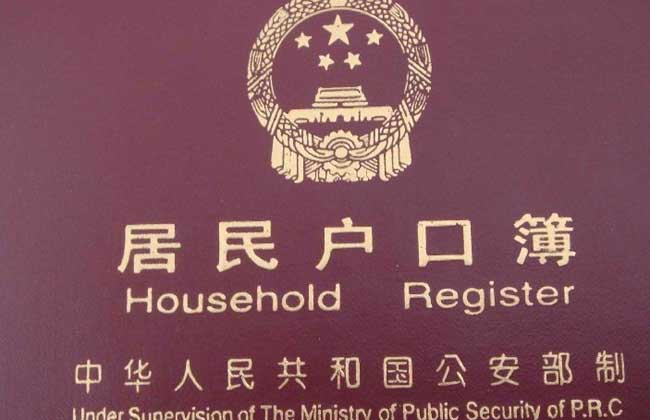
The idea that a rural household registration is more valuable has become a popular view today, bringing more insights to the public. Some urban residents have set their sights on rural land that has room for appreciation or is about to be covered by urbanization. Because of land interests, some people with urban household registration have tried every possible means to change to a rural household registration, hoping to obtain more economic benefits by converting to a rural household registration. Below, let us take a look at what the benefits of a rural household registration are!
Why is a rural household registration valuable?
The phenomenon that “a rural household registration is more valuable than an urban household registration” has appeared. The fundamental reason is still that today's rural household registration carries higher economic benefits. Regarding this phenomenon, some scholars believe that the current land system makes it difficult for farmers to truly “go out” and “stay.” In the household registration reform pilots in some places, there has even appeared a “counter-urbanization” phenomenon in which people with original urban household registration hope to exchange it for a rural household registration. “Counter-urbanization” mainly stems from land interests. Due to past development of urbanization, industrialization, and “real estateization,” land has appreciated greatly. For this reason, many farmers, even if they work in cities, are unwilling to change from a rural household registration to an urban household registration, because after becoming an urban household registration they will lose land and lose the opportunity to share in land dividends. Compared with sharing land dividends, being able to enjoy family planning preferential policies and, under specific circumstances, having more protective functions such as the New Rural Cooperative Medical Scheme is secondary.
What are the benefits of a rural household registration?
1. Owning land: Farmers generally have three types of land: homestead land, contracted land, and forest land. Houses can be built on homestead land, and contracted land and forest land can enjoy various subsidies. If you are a farmer living in the inner suburbs of a city, the land will appreciate faster, and the household registration will therefore be more valuable.
2. Collective income distribution: Some rural areas allow participation in the distribution of collective economic interests such as land. If you do not have a household registration, you cannot participate in dividends.
3. Land expropriation compensation: If the government or a developer expropriates or requisitions land collectively owned by farmers, a certain amount of compensation must be given.
4. Buying a house in the city: House-buying policies stipulate that farmers can buy houses in cities, but urban residents buying houses in rural areas are not protected by law.
5. Critical illness insurance and the New Rural Cooperative Medical Scheme: The New Rural Cooperative Medical Scheme is a mutual-aid medical system for farmers mainly based on pooling funds for critical illness, raising funds through individual contributions, collective support, and government subsidies. Critical illness insurance reimburses the high medical expenses incurred from serious illness, and the reimbursement rate for farmers participating in the New Rural Cooperative Medical Scheme is no less than 50%.
6. New Rural Pension Scheme: The New Rural Pension Scheme aims to guarantee the basic livelihood of rural residents in old age and adopts a funding model combining individual contributions, collective subsidies, and government subsidies. That is to say, residents with a rural household registration only need to pay a small part of the money to purchase pension insurance, and when they reach 60 years old, they can receive a certain pension.
The difference between rural household registration and urban household registration
1. In terms of definition: When China was in the era of the planned economy, the people at that time were divided into two categories: today's rural household registration and urban household registration. Rural household registration refers to the agricultural registered population who can produce grain through their own hard work. Non-rural household registration refers to urban household registration residents who rely on the state to allocate grain rations.
2. In terms of employment: Compared with rural household registration, one of the biggest differences of urban household registration is that cities have a labor re-employment policy. Other aspects are not very different. However, compared with urban investment in employment, government investment in rural employment is much less.
3. In terms of education: Some high-quality educational resources in cities have a lower threshold for local urban household registration residents, while those with rural household registration may need to pay certain fees to attend, and other thresholds are also higher.
4. Social insurance: Basically, the difference between rural household registration and non-rural household registration is very small. People who have graduated from university will have the feeling that if you have a rural household registration, your employer pays three insurances and one fund for you, while if you have an urban household registration, they pay five insurances and one fund for you. Other aspects are basically integrated, though there are certain differences in some unemployment insurance aspects.
5. Other aspects: After having a rural household registration, land will be allocated, but cities do not have this. In addition, another difference is that in aspects such as joining the military, retirement from service, and self-employment after retirement from service, people with urban household registration receive more subsidies than people with rural household registration.