What to Do If a Pig Won't Eat? Causes and Solutions
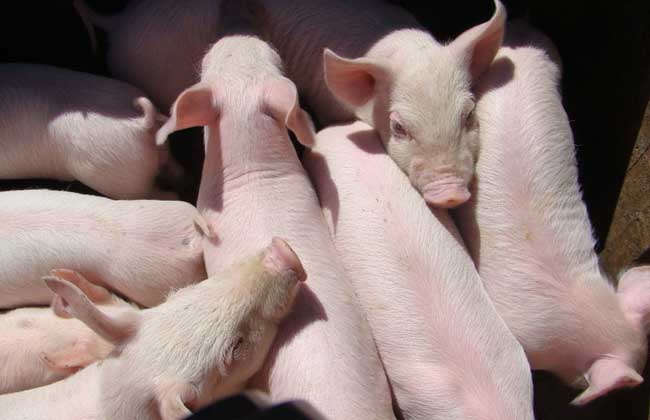
A pig not eating is a common problem in the breeding process. It can cause the pig to become thin and its resistance to decline, affecting the growth and reproduction of sows, the marketing of fattening pigs, and the growth and development of piglets. As the condition worsens, it can also threaten the pig's life and health, seriously affecting the economic benefits of the pig farm. There are also very many causes of pigs not eating. Below, let's take a look together at what to do if a pig won't eat!
Causes of pigs not eating
1. Febrile diseases: In addition to not eating, the pig also has a fever. This is generally caused by a bacterial or viral infection. For example, various inflammations and many infectious diseases can cause pigs to develop a fever. When pigs have a fever, it often affects appetite, which leads to the pig not eating.
2. Gastrointestinal diseases: Weak stomach and intestines, gastritis, enteritis, gastrointestinal dysfunction, diarrhea, constipation, etc. can all cause pigs not to eat feed.
3. Nutritional management: Feeding too much concentrated feed or feed with a single nutrient composition, lacking vitamins, minerals, etc., can all create a burden on the stomach and intestines, affect the gastrointestinal digestive and absorptive function, and cause the pig not to eat.
4. Causes of poisoning: Pigs eating moldy feed, accidentally eating pesticides, etc. can all cause pigs not to eat.
5. Stress stimulation: When the weather is hot, failure to do a good job of cooling the pig pen, suddenly changing feed, poor ventilation in the pig pen leading to high ammonia concentration, long-distance transport, and various other stimuli can cause pigs to have a stress response and lose appetite.
What to do if a pig won't eat?
1. First observe whether the pig has other symptoms, such as fever, coughing, difficulty breathing, red spots on the skin, etc. Confirm the specific type of disease according to the symptoms, then treat the symptoms accordingly.
2. For pigs not eating caused by gastrointestinal problems, use purgatives for constipation and antidiarrheal drugs for diarrhea. In addition, use medication from the two aspects of reducing inflammation and regulating the stomach and intestines. For medicines to regulate the stomach and intestines, it is best to choose traditional Chinese medicine, which has good effects and low cost. For accidental ingestion of pesticides, moldy feed, etc., use medication to remove toxins.
3. Strictly prohibit feeding moldy feed. Pay attention to ensuring sufficient nutrition in the feed, rationally combine green roughage and concentrated feed, and also pay attention to the taste of the feed. A little sour, sweet, salty, or spicy seasoning can be added to the feed to increase appetite, but note that the amount added must not be too much.
4. Create a good raising environment for the pigs and reduce stress stimulation, making the pig pen clean and dry, well ventilated, and suitably warm. Also let the pigs exercise an appropriate amount every day. If there is a stress response, according to the situation, add antibiotics, multivitamins, astragalus polysaccharides, and other drugs to the pigs' drinking water.
What to feed a pig that won't eat?
1. Feed something spicy: For anorexia in pigs, you can feed a little pepper powder or chili powder. Because pepper powder and chili powder contain pungency and aroma and are stimulating, they can speed up the gastrointestinal peristalsis of pigs, promote and increase secretions, and improve the digestive ability of pigs.
2. Feed something salty: Adding an appropriate amount of salt to pig feed (no more than 5 grams per day at most) can improve and enhance the palatability of the feed, increase the pig's appetite and water intake, and help and promote the pig's digestive and absorptive ability.
3. Feed something sour: Add 10 milliliters of edible vinegar per kilogram of pig feed and mix well. This can noticeably increase the aroma of the feed. Not only do pigs love to eat it, but it can also help pigs digest and promote their growth and development.
4. Feed something sweet: Add 0.5 grams of saccharin per kilogram of pig feed. This can noticeably improve the palatability of the feed and increase the pig's feed intake.
5. Feed a little monosodium glutamate: Add 0.1% monosodium glutamate to pig feed. This can significantly improve the pig's appetite and speed up the pig's growth rate. Adding an appropriate amount of monosodium glutamate to the artificial milk of suckling piglets has an even better effect.