Pietrain Pig Farming Techniques and Key Points of Feeding Management
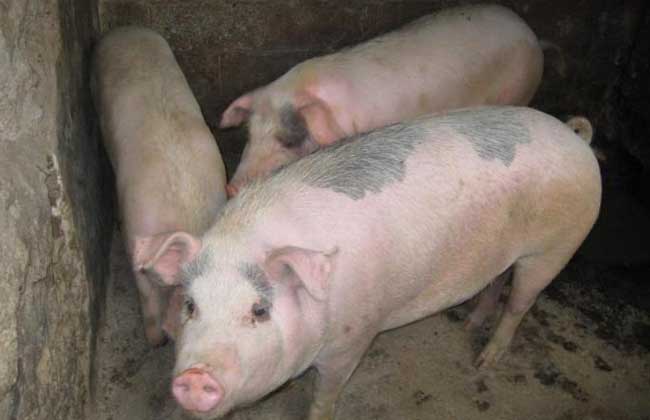
The Pietrain pig was developed by backcrossing the French Bayeux crossbred pig with the British Berkshire pig, and then crossing the result with the British Large White pig. Its main characteristics are a high lean meat rate, well-developed muscles in the hindquarters and both shoulders, and a grayish-white coat with irregular dark black spots, occasionally with a small amount of brown hair. Let us take a look at Pietrain pig farming techniques together below!
Production Performance of Pietrain Pigs
1. Fattening performance: Under relatively good feeding conditions, Pietrain pigs grow rapidly. At 6 months of age, body weight can reach 90-100 kg, with a daily gain of about 750 grams. Each kilogram of weight gain consumes 2.5-2.6 kg of compound feed. The dressing percentage is 76%, and the lean meat rate can reach as high as 70%.
2. Reproductive performance: Once boars reach sexual maturity, they have a relatively strong libido, and semen collection training is generally successful on the first attempt. The ejaculate volume is 250-300 ml, and the sperm count reaches 300 million per ml. The maternal nature of sows is no inferior to that of local breeds in China, and the piglet survival rate is 92-98%. The first estrus of sows generally occurs at 190 days of age, the estrus cycle is 18-21 days, the number of piglets born per litter is about 10, and the number of live piglets born is about 9.
Prevention of Dystocia in Pietrain Pigs
1. Extend the breeding age. The first estrus of Pietrain pigs generally occurs at 8 months of age, and the breeding age should be 11-12 months depending on body weight.
2. Strengthen exercise in the middle and late stages of gestation, and do not make nutrient concentration too high.
3. Use prostaglandins to make them give birth 1-2 days earlier than the expected date, preferably during the daytime to facilitate assisted delivery (generally inject 1 dose in the morning of the same day, and labor begins the next morning).
4. When dystocia occurs, assisted delivery should be carried out. Assistance should not be too hasty, and the birth canal must not be damaged. The arms and assisted delivery instruments must be thoroughly disinfected, and the number of times the arms enter the birth canal should be minimized. Within 7 days after delivery, flush the uterus and reduce inflammation to prevent difficulty in the next estrus or mating.
5. When retaining breeding stock, try not to keep pigs with overly large hindquarters and a small vulva as replacement gilts.
Stress Precautions for Pietrain Pigs
1. When boars participate in mating, they should have appropriate exercise time.
2. When moving pigs, keep them in the original pen and original litter as much as possible. The pig pens should be sturdy to prevent fighting.
3. When pigs are moving, guide them gently and drive them slowly. Do not drive them forcibly or make them exercise strenuously.
4. Farrowing sows should preferably give birth on the ground, and then be moved onto the farrowing crate for rearing after giving birth.
5. In hot summer, cooling facilities such as electric fans should be provided for boars and sows, especially farrowing sows. Air conditioning can be installed where conditions permit.
6. During transport, prevent overcrowding, overheating, or poor ventilation. Do not tie them forcibly when loading and unloading. A sedative can be injected before transport.
7. If stress is found, immediately stop stimulating them, keep them quiet, and pour cool water on their necks. Pour the water slowly, and do not suddenly pour it over the whole body. Do not inject sedative drugs when stress occurs.