Prevention and Control Methods and Technical Key Points for Porcine Pseudorabies
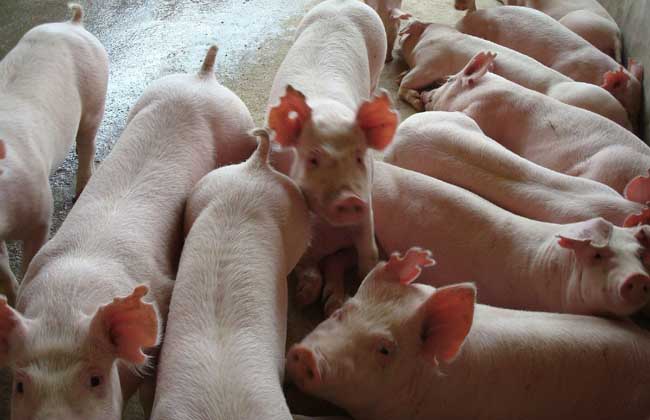
Porcine pseudorabies is an acute infectious disease caused by pseudorabies virus that affects a variety of domestic animals and wild animals. The virus has relatively poor resistance, being most stable in a humid environment at pH 6 to 8. At 4 to 37 degrees C and pH 4.3 to 9.7, the virus loses its activity after 1 to 7 days. It is highly sensitive to dryness and especially to direct sunlight. Let us take a look at the prevention and control methods for porcine pseudorabies below!
Epidemiological Characteristics
All mammalian domestic animals are susceptible to pseudorabies, and rodents play an important role in the transmission of pseudorabies. In pig herds that have not acquired immunity and are infected with pseudorabies for the first time, the outbreak brings catastrophic consequences, and it can spread to the entire herd within 1 week. More than 90% of piglets become infected and die, adult pigs show respiratory infection symptoms, and pregnant sows abort. The virus can be transmitted via the placenta, vaginal mucus, semen and milk, and often occurs sporadically.
Clinical Symptoms
The main symptoms of pseudorabies are a body temperature of 41.0 to 42.0 degrees C, rapid breathing, refusal to eat, occasional vomiting or diarrhea, and death in a state of lethargy, or restlessness, foaming at the mouth, and neurological symptoms such as ataxia, circling and convulsions, followed by depression, mild paralysis or paralysis, or loss of consciousness and vision, a hoarse cry, and commonly constipation and respiratory symptoms, all of which are fatal infections.
Pathological Changes
The pathological changes seen on necropsy of pigs with pseudorabies mainly include non-suppurative encephalitis, with congestion, hemorrhage and edema of the brain; yellow-white necrotic spots 1 to 2 mm in size in the liver, kidneys and heart; congestion and edema of the lungs; common catarrhal and hemorrhagic inflammation of the upper respiratory tract; extensive blood accumulation in the gastric fundus; necrotizing placentitis in the placenta of aborting sows; and blood spots on the surface of the fetus.
Prevention and Control Methods
There is no specific therapeutic drug for porcine pseudorabies, so comprehensive prevention and control measures must be adopted. Normally, feeding management should be strengthened, hygiene and disinfection should be done well, and mosquito, fly and rodent control should be carried out. When the disease occurs, cephalosporin drugs combined with interferon have a certain therapeutic effect. Eliminating rodents on the farm is of great significance for preventing this disease. At the same time, dogs, cats, birds and other poultry must be strictly controlled from entering the pig farm, personnel movement must be strictly controlled, and disinfection work and serological monitoring must be done well, which can also play a positive role in promoting the prevention and control of this disease.
Vaccination
1. Replacement pigs should receive at least 2 vaccinations against pseudorabies before mating, and gene-deleted attenuated vaccine can be used for both vaccinations.
2. According to the degree of infection on the farm, multiparous sows should receive 1 to 2 vaccinations in late pregnancy (20 to 40 days before farrowing or 75 to 95 days after mating).
3. For sow immunization, either inactivated vaccine or gene-deleted attenuated vaccine can be used, and at least 1 of the 2 vaccinations should use gene-deleted attenuated vaccine.
4. Pig herds on the farm where pseudorabies has not occurred, and where it has not occurred in the surrounding area either, can be vaccinated with 1 dose of inactivated vaccine after 30 days.
5. Pig herds on the farm where the disease has occurred, or where it has occurred in the surrounding area, should be vaccinated with 1 dose of gene-deleted attenuated vaccine at 19 days of age or 23 to 25 days of age.
6. For herds with frequent outbreaks, piglets should be given intranasal administration of gene-deleted attenuated vaccine at 3 days of age, and in epidemic areas or pig farms with severe outbreaks, nursery and fattening pig herds should receive 1 booster immunization 3 weeks after the first vaccination.