What is the difference between two-way cross pigs and three-way cross pigs?
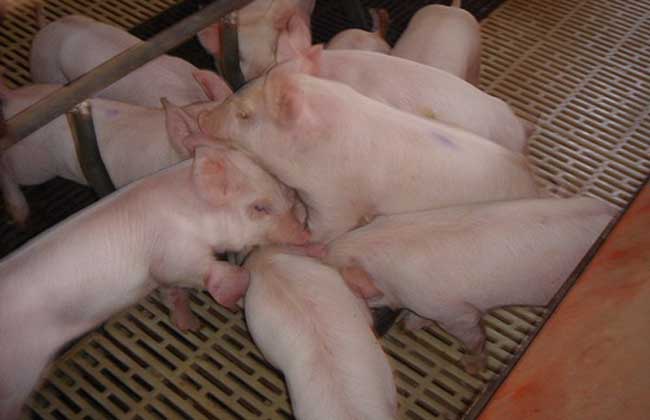
A two-way cross pig is a cross between two breeds, while a three-way cross pig is a cross among three breeds. At present, the most widely used breeding plan in China is A×(B×C), where A is the terminal boar, B is the maternal sire, and C is the maternal dam. Among these, A is mostly Duroc, B is mostly Landrace, and C is mostly Large White. Now let us take a look at the difference between two-way cross pigs and three-way cross pigs!
What is a two-way cross pig?
A two-way cross pig, also called a simple cross pig, is the first-generation cross obtained by crossing two breeds or lines. Because of the high degree of heterozygosity, it has obvious hybrid vigor, grows quickly, and fattens well, so this kind of cross is used fairly widely and its technical requirements are also simple. For example, Landrace boar × Northeast Min pig → Changmin first-generation cross (all for fattening).
What is a three-way cross pig?
A three-way cross pig is a three-breed cross pig, produced by crossing the first-generation cross sow obtained from a two-breed cross with a boar of a second breed. Three-way crossing is generally more effective than two-way crossing, and it can make full use of first-generation cross sows. It can not only make full use of hybrid vigor and increase lean meat percentage, but also resolve the shortage of foundation-line sows. For example, Landrace boar × Northeast Min pig → Changmin first-generation cross, Changmin first-generation cross sow × Large Yorkshire boar → Changyue Min cross pig; at this point the Changyue Min cross pig is a three-way cross pig.
The difference between two-way cross pigs and three-way cross pigs
Three-way cross pigs mainly combine the advantages of two-way cross pigs and the advantages of the terminal sire to produce commercial pigs with fast growth speed and a high lean meat percentage, so as to obtain the greatest economic benefit. Under the same production conditions, when high-quality two-way cross sows and Duroc boars are used for three-way cross production, the litter size is 15% higher than that of purebred Large White or Landrace, and the weaning litter weight of piglets is 20% higher than that of purebred Large White or Landrace. Because the piglets are heavier at weaning, the number of days from birth to fattening and market is fewer than for purebred pigs. The growth speed and lean meat percentage of cross pigs are similar to those of purebreds, and will not change markedly because of crossing.