Symptoms and Treatment of Haemophilus parasuis Infection in Pigs
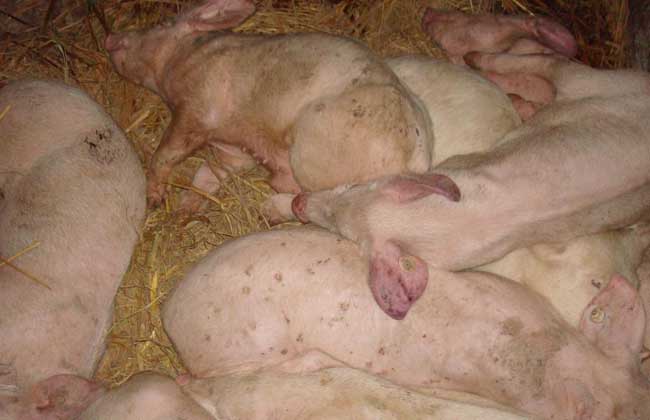
Haemophilus parasuis infection is also known as multiple fibrinous serositis and arthritis, Glasser's disease, etc. It is caused by Haemophilus parasuis, a bacterium that is ubiquitous in the environment. For pig herds that use specific-pathogen-free or medicated early weaning techniques and are free of Haemophilus parasuis contamination, the consequences of initial infection with this bacterium can be quite serious. Let's take a look at the symptoms and treatment of Haemophilus parasuis infection.
Symptoms
Haemophilus parasuis infects only pigs and can affect young pigs from 2 weeks to 4 months of age, mainly causing disease around weaning and during the nursery stage, usually seen in pigs 5 to 8 weeks old. The incidence rate is generally 10 to 15%, and in severe cases the mortality rate can reach 50%. Acute cases often first occur in pigs in good body condition. Affected pigs show fever (40.5 to 42.0°C), depression, decreased appetite, difficulty breathing, abdominal breathing, reddened or pale skin, purplish ear tips, subcutaneous edema of the eyelids, slow walking or unwillingness to stand, swollen carpal and tarsal joints, ataxia, and lying on their side or paddling with the limbs before death. Sometimes they die suddenly without obvious symptoms. Chronic cases are mostly seen in nursery pigs, mainly with decreased appetite, coughing, difficulty breathing, rough coat, weakness or lameness of the limbs, poor growth, until they waste away and die.
Transmission Routes
Haemophilus parasuis infection spreads through the respiratory system. It is more likely to occur when reproductive and respiratory syndrome, influenza, or enzootic pneumonia is present in the herd. The disease is more likely to occur under poor environmental conditions or when water supply is cut off. It is common when the rearing environment is poor. Weaning, regrouping, mixing groups, or transport are also common triggers. Haemophilus parasuis can also act as a secondary pathogen alongside other major pathogens in mixed infections, especially enzootic pneumonia of pigs. In pneumonia, Haemophilus parasuis is presumed to be a random invading secondary pathogen, a typical "opportunistic" pathogen that only causes disease when acting in concert with other viruses or bacteria.
Preventive Measures
1. Strict disinfection: Thoroughly clean the pig house. Spray the floor and walls of the pig pens with a 2% sodium hydroxide aqueous solution. After 2 hours, rinse with clean water, then spray and disinfect with Kexing compound iodine, spraying continuously for 4 to 5 days.
2. Strengthen management: Give the whole herd electrolytes plus vitamin C powder in drinking water for 5 to 7 days to enhance the body's resistance and reduce stress reactions.
Treatment Methods
1. Severe-case injection: Intramuscular injection, 0.2 mL/kg each time, injected intramuscularly once every morning, for 5 to 7 consecutive days.
2. Kanamycin sulfate injection: Intramuscular injection, 20 mg/kg each time, injected intramuscularly once every evening, for 5 to 7 consecutive days.
3. Pure oxytetracycline powder: Oral administration to the whole herd at 30 mg/kg of pure oxytetracycline powder, once daily, for 5 to 7 consecutive days.
4. Antibiotics: Antibiotics in drinking water may be ineffective for severe outbreaks of the disease. Once clinical symptoms appear, antibiotics should immediately be given in feed to treat the entire herd, and affected pigs should receive large-dose intramuscular injections of antibiotics.
5. Cellulolytic enzyme: While treating with antibiotics, oral administration of cellulolytic enzyme (Fuzhulike) can rapidly clear fibrinous exudate, relieve symptoms, and control the mortality rate of the herd.