What to Do About Pesticide Poisoning in Cattle? Prevention and Treatment Methods Explained
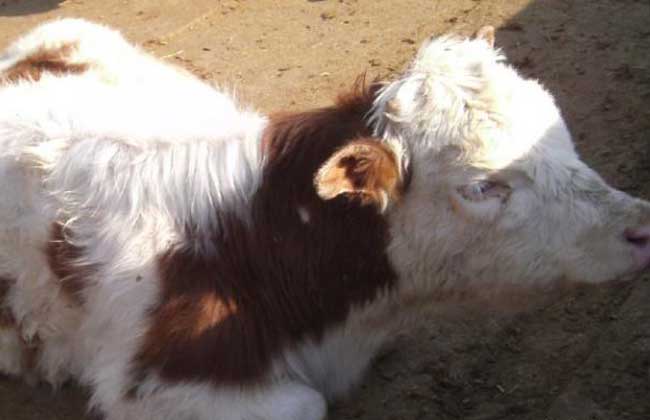
Cattle are currently an important source of labor for plowing and farming in rural areas across the country. If they accidentally eat feed contaminated with pesticides and become poisoned, farmers need to master some basic treatment knowledge and take timely treatment measures to ensure the cattle's safety. Otherwise, once poisoning leads to death, it will cause major economic losses. Below, let us take a look at the prevention and treatment methods for pesticide poisoning in cattle.
Causes of Pesticide Poisoning in Cattle
Pesticide poisoning in cattle mainly occurs when cattle accidentally eat grass or crops sprayed with organophosphorus pesticides, accidentally drink water contaminated with organophosphorus pesticides, or accidentally eat seeds mixed with pesticides. The misuse of highly toxic organophosphorus pesticides to treat skin diseases and internal and external parasites in cattle, with overly high concentrations and too large an application area, especially oil-based preparations, makes it easy for the pesticide to be absorbed through the skin and mucous membranes. If the skin is broken or inflamed, it is even more easily absorbed, leading to poisoning.
Symptoms of Pesticide Poisoning in Cattle
Affected cattle show depression or extreme restlessness, later becoming lethargic, with reduced or stopped rumination and appetite. The pupils constrict, the whole body's muscles undergo spasmodic contraction, breathing is difficult, and the exhaled breath carries a special medicinal odor. There is sweating on the chest, behind the elbows, around the scrotum and in the perineal area, conjunctival congestion, tearing, foaming at the mouth, and swelling of the gums and tongue. There is abdominal pain, increased intestinal sounds, severe diarrhea, blood in the feces, unsteady gait, dryness and even ulcers of the oral mucosa and muzzle, and finally paralysis of the limbs and inability to stand. If not rescued in time, the animal may convulse, fall into a coma and die within a few hours. In severe cases, the heartbeat is rapid and the pulse is weak and thready, often accompanied by pulmonary edema, and some die of suffocation.
Prevention of Pesticide Poisoning in Cattle
Improve the system for storing and using pesticides. Seeds treated with pesticides and prepared solutions must not be left lying around casually. Properly store the site used for preparing and spraying pesticides. Spraying pesticides is best done in the early morning or evening when there is no wind. In areas where pesticides have been sprayed, grazing or cutting grass is prohibited for 1 month. Do not misuse pesticides to kill external parasites on livestock. The dosage of trichlorfon for deworming should be appropriate.
Treatment of Pesticide Poisoning in Cattle
1. Immediate detoxification is needed. Commonly used specific antidotes such as pralidoxime iodide and pralidoxime chloride are used for detoxification. Their dosage is 15 to 30 mg per kg of body weight, prepared with physiological saline into a 2.5 to 5% solution, and injected slowly intravenously. Afterward, inject once every 2 to 3 hours, with the dose halved. Depending on how the symptoms improve, repeat injections may be given within 48 hours. Alternatively, trimedoxime or obidoxime may be used, with a dosage of 7 to 15 mg per kg of body weight, used in the same way as pralidoxime iodide. Atropine sulfate may also be used, with a dosage of 0.25 mg per kg of body weight, injected subcutaneously or intramuscularly. In severe poisoning cases, one third of the dose may be mixed with glucose saline and injected slowly intravenously, and two thirds used for subcutaneous or intramuscular injection. If the symptoms do not improve after 1 hour, a reduced dose may be repeated.
2. For poisoning through the skin, in order to remove the poison that has not yet been absorbed, the skin can be washed with 5% lime water, 0.5% sodium hydroxide or soapy water. For poisoning through the digestive tract, gastric lavage can be done with 2 to 3% sodium bicarbonate solution or saline, and activated charcoal can be administered orally. However, it must be noted that in trichlorfon poisoning, alkaline water must not be used for gastric lavage or for washing the skin, because trichlorfon can transform into the more toxic dichlorvos in an alkaline environment.