What are the prevention and treatment methods for rumen atony in cattle?
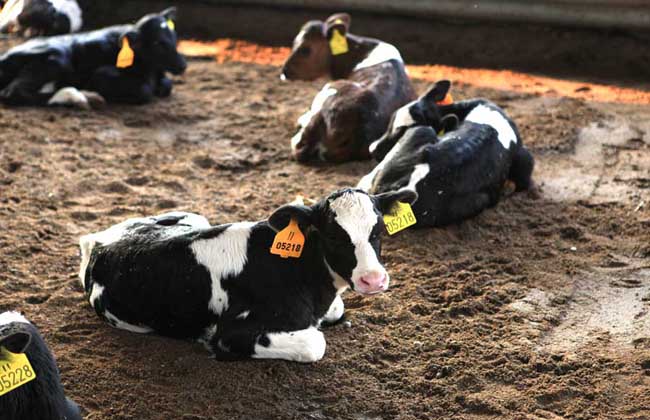
Rumen atony in cattle is a disease caused by disruption of the nerve and muscle function of the forestomach, weakened contractile strength, failure of rumen contents to undergo normal digestion, transit and elimination, abnormal decomposition, fermentation and putrefaction of feed, production of toxic substances, and destruction of the microbial population, leading to digestive dysfunction, with symptoms including reduced or absent appetite, disordered rumination and decreased milk production.
Causes of Rumen Atony in Cattle
The causes of rumen atony in cattle include long-term feeding of coarse, hard, poor-quality feed that is difficult to digest, feeding feed with little or no stimulating effect, feeding poor-quality forage, or suddenly changing forage, all of which can cause this disease. Rumen bloat, rumen impaction, traumatic gastritis and ketosis also commonly lead to secondary rumen atony during their course.
Clinical Symptoms of Rumen Atony in Cattle
Sick cattle show reduced or absent appetite, slow rumination with reduced frequency or cessation, weak or absent rumen contractions, weakened intestinal sounds, delayed defecation, constipation or diarrhea, dry muzzle, and normal body temperature. As the disease progresses, the animal gradually becomes emaciated, rumen palpation is painful, and the rumen is filled with porridge-like or semi-porridge-like contents. Finally, the animal becomes extremely weak, lies down and cannot rise, rests its head on the ground, and its body temperature falls below normal.
Western Medicine Treatments for Rumen Atony in Cattle
1. Intravenous injection of 300-600 ml of 10% sodium chloride solution.
2. Use antimony potassium tartrate to stimulate the rumen, at a dose of 3-5 g each time, administered orally for 3 consecutive days.
3. Inject 30-70 g of neostigmine subcutaneously in a single dose.
4. Administer orally in a single dose 600 g of magnesium sulfate, 40-50 ml of turpentine oil, 80-120 ml of alcohol, and 3000-5000 ml of warm water; this has a laxative effect and inhibits fermentation.
5. Administer orally in a single dose 30-50 ml of bitter tincture and 2000 ml of paraffin oil; this also has a laxative effect and stops fermentation.
6. Grind together 8-12 g of antimony potassium tartrate, 1.5 g of nux vomica powder, 12 g of dried ginger powder and 12 g of gentian powder into a fine powder, and administer orally in a single dose. Once daily for 3-5 consecutive days.
7. Intravenous injection of 150-250 ml of 10% sodium chloride injection, 150-250 ml of 10% calcium chloride solution, and 10 ml of 20% sodium benzoate caffeine solution.
8. Subcutaneous injection of 50-70 mg of pilocarpine hydrochloride.
9. For cattle with complete loss of appetite, intravenously inject 700-1200 ml of 25% glucose solution, twice daily.
10. For cattle complicated with gastroenteritis, administer orally about 2 g of berberine, 3 times daily.
11. Wash the stomach with 2-4% sodium bicarbonate solution to regulate the acid-base ratio of gastric juice. Then take about 3 kg of regurgitated food from the mouth of a healthy cow and feed it to the sick cow.
12. Insert the needle vertically 3-4.5 cm at the stomach-tonifying acupoint, located above the jugular vein at the junction of the upper 1/3 and middle 1/3 of the neck, and inject 20 ml of 25% glucose; 1-3 ml of 0.2% strychnine nitrate may also be added during injection.
13. Subcutaneous injection of 4-6 mg of carbamylcholine or 30-60 mg of pilocarpine.
14. Dissolve 0.25-0.35 g of diphenhydramine in 600 ml of water and administer orally in a single dose, once every 8 hours, for about 2 consecutive days.
15. Intramuscular injection of 600 mg of promethazine or 90 mg of chlorpheniramine in a single dose. Then administer orally 90 g of baking soda and 250-400 g of artificial salt.
Traditional Chinese Medicine Treatments for Rumen Atony in Cattle
1. Decoct 60 g of fresh ginger, 100 g of large thistle and 120 ml of edible vinegar in water and administer the decoction orally.
2. Feed 1500 g of Chinese chives in a single dose, once daily for 3 consecutive days.
3. Mix 150-220 ml of alcohol with an appropriate amount of warm water and administer orally.
4. Mix 100-300 g of yeast powder with an appropriate amount of warm water and administer orally in a single dose.
5. Mix 300 g of medicated leaven and 700 g of edible vinegar with an appropriate amount of warm water and administer orally in a single dose.
6. Decoct 64 g of astragalus root, 65 g of codonopsis root, 40 g of fresh ginger, 40 g of dried tangerine peel, 38 g of areca seed, 40 g of white peony root, 35 g each of the three "immortal" herbs (medicated leaven, hawthorn and malt), 37 g of bitter orange and 35 g of licorice in water and administer the decoction orally.
7. Mix 550 g of artificial salt, 280 g of nux vomica and 280 g of gentian powder; administer orally about 3 times daily, 35 g of the mixture each time.
8. Use 600-1200 ml of edible vinegar and 120-180 g of fried tsaoko fruit. First grind the tsaoko fruit into a fine powder, then add the edible vinegar and 1200 ml of warm water, and administer orally in a single dose. Continue for 2-3 consecutive days.
9. Decoct 200 g of fried radish seeds, 40 g of fried table salt and 150 g of garlic in water, add 280 ml of vegetable oil, and administer orally.
10. Use a rust-free, sterilized three-edged needle or injection needle, or a small wide needle, to prick the sublingual acupoints on both sides. The principle of needling is: prick the edges in spring, the tip in summer, and the middle for heat-toxin of the heart meridian. The needle should prick the veins on the tongue.
11. Mash garlic, onion and fresh ginger, add an appropriate amount of table salt or pot ash, and repeatedly rub the surface of the tongue.
12. In spring and summer, administer 30-60 g of gentian powder; in autumn and winter, administer 60-120 ml of cinnamon tincture, ginger tincture or dried tangerine peel tincture.
13. Grind together 35 g of Peking spurge root, 32 g of rhubarb, 35 g of talc, 34 g of caper spurge seed, 18 g of licorice, 10 g of cassia bark, 30 g of pharbitis seed, 15 g of kansui root and 10 g of angelica dahurica into a powder, add 350 g of vegetable oil and an appropriate amount of water, and administer orally in a single dose.