What are the common feed additives for beef cattle?
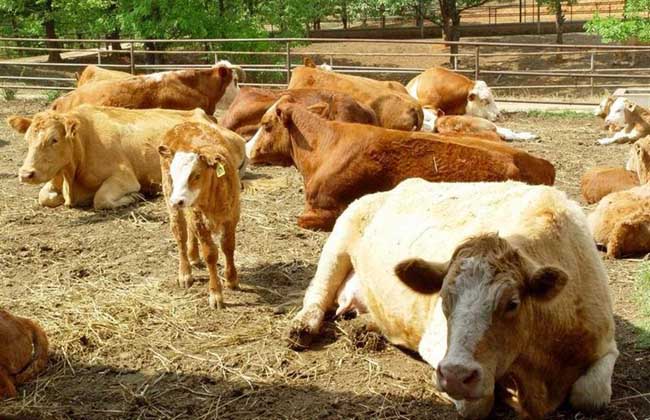
Feed additives refer to small or trace amounts of substances added during the production, processing and use of feed. They are used in very small amounts in feed but have significant effects, and are inevitably used raw materials in the modern feed industry. Let's take a look at the common beef cattle feed additives below!
Sodium bicarbonate
The acidic environment of the bovine rumen has an important effect on microbial activity, especially when feed is changed (such as when roughage is switched to high-concentrate fattening feed in the late fattening stage), which can significantly lower the pH value of the rumen, affecting the activity of microorganisms in the rumen and thereby affecting feed conversion. After adding 0.7% sodium bicarbonate to beef cattle feed, the rumen pH value can be maintained within the range of 6.2-6.8, which meets the needs of rumen microbial proliferation, gives the rumen the best digestive function, increases feed intake by 9%, and raises daily weight gain by more than 10%.
Monensin
When monensin is used in high-concentrate fattening of feeder cattle, it can increase the production of propionic acid, reduce the degradation of protein in the feed in the rumen, and increase the total amount of bypass protein, increase net energy, improve nitrogen utilization, and make the intestinal wall thinner, which is beneficial to the permeation and absorption of nutrients. It also stimulates the pituitary gland to secrete hormones that promote growth and development, thereby increasing the rate of weight gain. When concentrate mixed with monensin is fed together with roughage, daily weight gain can be increased by 15%-20%.
Rare earth
Adding 1000 ppm of rare earth to the diet of fattening cattle can increase daily weight gain by 26.63%, reduce the feed-to-meat ratio by 21.30%, and improve feed conversion efficiency by 23.39%.
Probiotics
Probiotics are microbial preparations that can replace or balance the role of one or more bacterial strains in the gastrointestinal microecosystem, such as Lactobacillus preparations, Bifidobacterium preparations, Bacillus subtilis preparations, etc. They can stimulate the proliferation of their own bacterial species, inhibit the growth of other bacterial strains; produce enzymes, synthesize B vitamins, improve the body's immune function, promote appetite, reduce the incidence of gastrointestinal diseases, and have a fattening effect. The added amount is generally 0.02%-0.2% of the cattle's diet.
Non-protein nitrogen
The most widely and commonly used non-protein nitrogen is urea. The nutritional value of each kilogram of urea is equivalent to the protein nutritional value of 5 kilograms of soybean cake or 7 kilograms of linseed cake. Mix 20 g-30 g of urea per kilogram of body weight into the concentrate, or feed concentrate mixed with urea together with roughage, or directly dissolve urea in water and mix or spray it onto green hay for feeding, or mix urea, corn and molasses into a liquid feed for feeding, or add urea to make silage for feeding.