How to prevent and treat bloody stool in cattle? These methods are essential for farmers to master
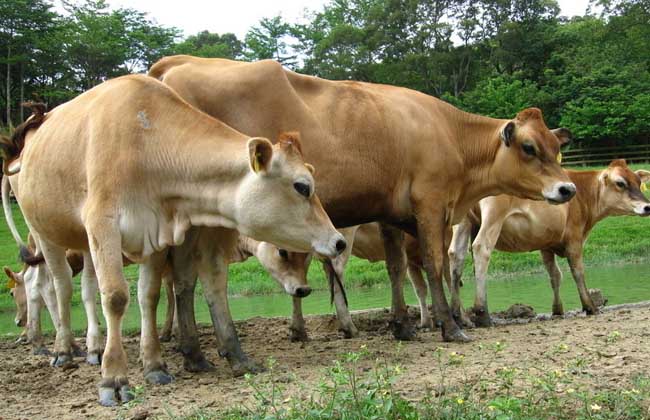
Bloody stool in cattle is a common and frequently occurring disease in cattle, also known as hemorrhagic enteritis, and is a disease characterized by blood in the stool. It can occur at any age and in all four seasons, but is more common in summer and autumn. There are two types: bright red blood before defecation (excess syndrome) is caused by intestinal heat, and blood after defecation (deficiency syndrome) is caused by visceral toxin. Let us now take a look at the prevention and treatment methods for bloody stool in cattle!
Symptoms of bloody stool in cattle
1. Excess syndrome: The onset is relatively acute. The cattle's muzzle and mouth and tongue are dry and red, with thirst and a liking for water. Appetite and rumination continuously decrease. The feces are yellow and thin. Generally, blood comes first and then stool, or the stool contains blood. The blood is bright red. Defecation is obviously painful, and urine is short and scanty.
2. Deficiency syndrome: The onset is relatively mild. The cattle are emaciated, with coarse and dry hair, listless spirit, drooping head and drooping ears, and saliva in the mouth and tongue that is slippery and pale white. Appetite and rumination decrease day by day, with loose diarrhea. Generally, stool comes first and then blood, or blood is passed with the feces. The blood is dark red. The limbs are weak, and the cattle are unwilling to walk.
Causes of bloody stool in cattle
1. External contraction of wind-heat, with the lungs affected by the pathogen, which then descends to the large intestine, injuring the intestinal tract. Blood overflows outside the vessels, stagnates and pours into the intestines, and is passed along with the stool.
2. Excessive labor and poor feeding lead to spleen deficiency, so the spleen cannot manage the blood. The blood does not follow the meridians, overflows outside the vessels, pours down into the large intestine, and is discharged with the feces, causing the disease.
Prevention and treatment of bloody stool in cattle
1. Excess syndrome: Angelica sinensis 50 grams, Ligusticum chuanxiong 35 grams, Paeonia lactiflora 40 grams, Rehmannia glutinosa 40 grams, Scutellaria baicalensis 30 grams, Sophora japonica flower 60 grams, Curcuma aromatica 35 grams, Gardenia jasminoides 30 grams, Forsythia suspensa 30 grams, Coptis chinensis 25 grams, 7 dark plums, 7 myrobalan fruits, Ailanthus altissima bark 30 grams, charred Sanguisorba officinalis 40 grams, with honey 120 grams and rapeseed oil 120 grams, decocted and administered. 1 dose per day, for 3 consecutive days.
2. Deficiency syndrome: Codonopsis pilosula 45 grams, raw Astragalus membranaceus 40 grams, Angelica sinensis 40 grams, honey-fried Glycyrrhiza uralensis 15 grams, Atractylodes macrocephala 40 grams, dried tangerine peel 30 grams, honey-fried Cimicifuga foetida 30 grams, honey-fried Bupleurum chinense 30 grams, Schisandra chinensis 40 grams, 7 dark plums, 7 myrobalan fruits, Sophora japonica flower 60 grams, Plantago asiatica seed 60 grams, with 3 slices of fresh ginger and 5 jujubes as guiding ingredients, decocted in water and administered orally. 1 dose per day, for 3 consecutive days.