How Long Can Dragonflies Live? A Detailed Look at Dragonfly Lifespan
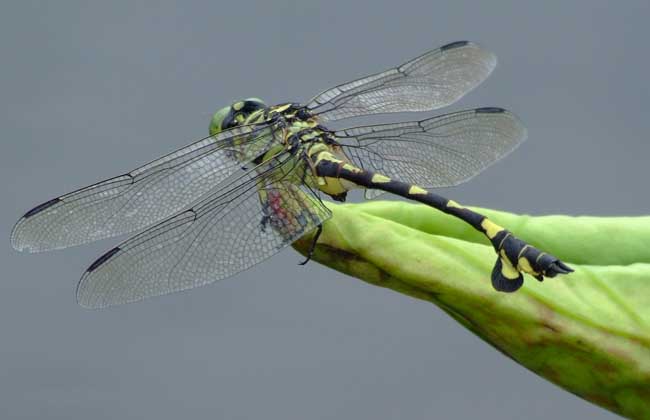
Dragonflies are the collective name for insects in the families Libellulidae and Aeshnidae of the order Odonata. They are hemimetabolous insects, with about 5,000 species worldwide and about 300 species distributed in China. Among them, there are many of the most common dragonflies, such as the blue emperor (Anax imperator), the wandering glider (Pantala flavescens), and the common blue damselfly (Ischnura elegans), among others. Now let us take a look at how long dragonflies can live!
How long can dragonflies live?
The dragonfly larva, known as a nymph, must spend at least a year in the water. The total larval period varies depending on the species and the season, ranging from one month to three or four years, and some that take longer must endure seven or eight years before they can emerge as adults. The lifespan of the adult dragonfly is only one-tenth that of the larva, living only about one month to eight months. Even so, dragonflies still count as long-lived among insects.
Where do dragonflies go in winter?
Dragonflies have basically completed their entire life cycle before winter, but dragonfly eggs are placed inside plants, inside dead wood, or even in dry soil, or else dropped on the water surface, depending on the species. The eggs of most temperate-region dragonfly species do not hatch after being laid, and may wait several months before hatching into nymphs. This non-hatching period is called the “diapause period,” and its purpose is to allow dragonflies to survive the cold winter in the egg stage.
Are dragonflies beneficial insects or pests?
Dragonflies are hemimetabolous insects. The nymph, called the “nymph,” lives in water, breathing in the water through rectal tracheal gills and hunting with its highly developed labial mask. It generally must undergo more than 11 molts, taking 2 years or more before it crawls out of the water along aquatic plants, and then after a final molt emerges as an adult. In the water, the nymph can prey on mosquito larvae and other small animals, and sometimes members of the same species also cannibalize each other. Both adults and larvae are carnivorous and mostly feed on pest insects. In addition to being able to prey heavily on mosquitoes and flies, some adults can also prey on pests such as butterflies, moths, and bees, so they are truly beneficial insects.