How to prevent and treat infectious bronchitis in chickens? A detailed guide to practical methods
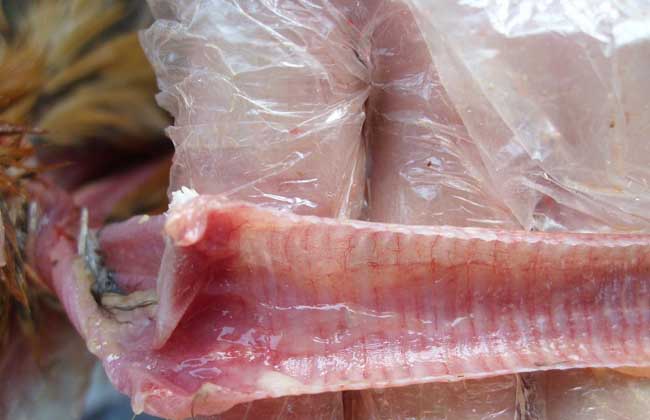
Infectious bronchitis in chickens is an acute, highly contagious respiratory infectious disease of chickens caused by the infectious bronchitis virus. It is characterized by difficulty breathing, rales, coughing, open-mouth breathing, and sneezing. If the pathogen is not a nephropathogenic strain or no secondary infection occurs, the mortality rate is generally very low. Let's take a look below at the symptoms and prevention and treatment of infectious bronchitis in chickens!
Epidemiological characteristics
There is no obvious breed difference in chickens infected with infectious bronchitis, and chickens of all ages are susceptible, but symptoms are more obvious in chickens within 5 weeks of age, with a mortality rate of up to 15-19%. The disease is mostly seen from late autumn to the end of the following spring, but is most severe in winter. Environmental factors are mainly cold, heat, crowding, and poor ventilation, especially strong stressors such as vaccination and flock transfer, which can induce the occurrence of the disease. The main mode of transmission is through the air; in addition, personnel, equipment, and feed are also transmission vectors. The disease spreads rapidly, often affecting the whole flock within 1-2 days. It is generally believed that this disease cannot be transmitted vertically through hatching eggs.
Symptoms
1. Symptoms in chicks: There are no prodromal symptoms, and the whole flock suddenly becomes ill almost simultaneously. The first manifestation is respiratory symptoms: runny nose, tearing, nasal swelling, coughing, sneezing, and stretching the neck with the mouth open to gasp for air. A clearly hoarse call can be heard at night. As the disease progresses, the symptoms worsen, with the head drawn in and eyes closed, drooping wings and huddling together, poor appetite, and increased thirst. If treatment is not timely, there may be individual deaths.
2. Laying hens: They show mild difficulty breathing, coughing, and tracheal rales, with a “gurgling” sound. They are listless, eat less, and pass yellow loose droppings. The symptoms are not very severe, and very few die. Egg production begins to decline on the second day of illness and drops to its lowest point in 1-2 weeks. Sometimes the laying rate can drop by half, and soft-shelled and deformed eggs are laid; the egg white becomes thin, and the egg white separates from the yolk. The hatchability of hatching eggs also decreases.
3. Nephropathogenic type: It mostly occurs in young chickens aged 20-50 days. When infected with a nephropathogenic strain of infectious bronchitis, due to damage to kidney function, in addition to respiratory symptoms, diseased chickens can also develop nephritis and enteritis. The symptoms of nephropathogenic bronchitis are biphasic. In the first stage, there are respiratory symptoms for a few days, followed by a few days of a “recovery” stage in which symptoms disappear. In the second stage, watery white or green droppings are passed, containing large amounts of urates. Diseased chickens become dehydrated, appear weak and lethargic, and the comb fades in color or turns purple-blue.
Prevention and treatment methods
1. Prevention: Prevention should consider reducing predisposing factors and improving the immunity of the chickens. After cleaning and disinfecting the chicken house, introduce chicks from chicken farms with no infectious bronchitis outbreak, carry out good chick rearing and management, pay attention to ventilation in the chicken house, prevent overcrowding, pay attention to keeping warm, appropriately supplement vitamins and minerals in the chicks' diet, and formulate a reasonable immunization program.
2. Immunization: Vaccination is currently a major measure for preventing infectious bronchitis. At present, there are many types of vaccines used to prevent infectious bronchitis, which can be divided into two categories: inactivated vaccines and attenuated vaccines.
① Inactivated vaccine: Preparing an inactivated vaccine using locally isolated virus strains is a very effective method, but due to limitations in production conditions, it is not currently widely used.
② Attenuated vaccine: Among monovalent attenuated vaccines, the currently widely used ones are the H120 and H52 strains introduced from the Netherlands. H120 is safe and effective for 14-day-old chicks, with a protection rate of 90% after 3 weeks of immunization. H52 causes severe reactions in chickens under 14 days of age and is not suitable for use, but it is safe for chickens aged 90-120 days. Therefore, the currently commonly used program is vaccination with H120 at 10 days of age and H52 at 30-45 days of age.
3. Treatment: There is currently no effective treatment for infectious bronchitis, and people often use symptomatic therapy combining Chinese and Western medicine. Because flocks often have concurrent bacterial diseases in actual production, the use of some antibacterial drugs sometimes appears effective. For chickens with nephropathogenic infectious bronchitis, some people use oral rehydration salts, 0.5% sodium bicarbonate, vitamin C, and other drugs for administration, which can produce a certain effect.
① At the onset of the disease, Longda Sanpei can be used, with each set injectable for 1000 adult poultry or 2000 young poultry; generally one injection is enough. For drinking water, each set is for 500 adult poultry or 1000 young poultry, to be consumed within 3-4 hours; generally one drinking-water administration is enough, and for severe cases, administer in drinking water for two days, once a day. Antibacterial drugs should also be used to prevent secondary infection. Feeding and management equipment and the chicken house should be disinfected. Recovered chickens must not be raised together with susceptible chickens.
② Boil Kechuankang in water and simmer for half an hour, then add 20-25 kg of cold boiled water as drinking water, and administer continuously for 5-7 days. At the same time, add another 50 g of moroxydine hydrochloride raw powder to every 25 kg of feed or 50 kg of water for a better effect. Add each gram of doxycycline raw powder to 10-20 kg of water and let them drink freely, continuously for 3-5 days.
③ Mix 1.5 g of moroxydine and 30 g of Banlangen granules into each kg of feed, and let the chicks eat freely. Raise a small number of severely ill chickens separately, and supplement with a small amount of snow pear syrup, continuously for 3-5 days, which can achieve good results. Kechuanmin, Aqi Chuanding, and similar products have specific effects.