How to effectively prevent and treat Egg Drop Syndrome in chickens?
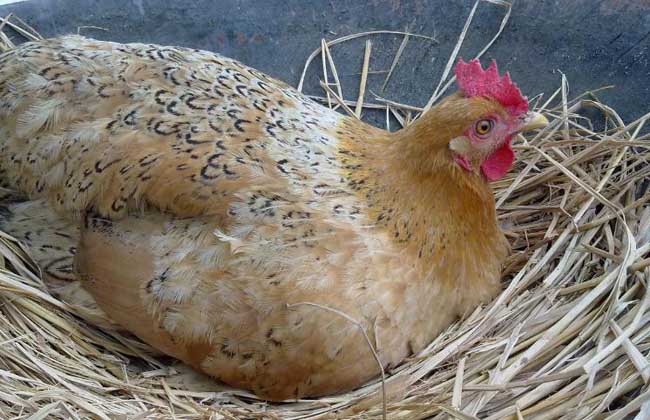
Egg Drop Syndrome in chickens is an infectious disease caused by avian adenovirus. Chickens of any age are susceptible. Infection with avian adenovirus affects production throughout the entire laying period, and it is mostly transmitted vertically, infecting chicks through the embryo. When the flock's laying rate reaches above 50%, the virus begins to be shed and spreads rapidly. Let's take a look below at the prevention and treatment methods for Egg Drop Syndrome in chickens!
Clinical symptoms of Egg Drop Syndrome in chickens
Affected chickens show no obvious clinical symptoms. The flock suddenly experiences a group-wide drop in laying rate, accompanied by brown eggs, thin-shelled eggs, and sand-shelled eggs, with the flock's laying rate dropping by 30-50%. A few sick chickens may show loose feathers, diarrhea, and listlessness. In short, when a healthy flock shows a group-wide drop in egg production during peak laying or fails to reach the expected level, along with reduced feed intake, transient diarrhea, and changes in eggshell quality, the disease should be suspected.
Necropsy symptoms of Egg Drop Syndrome in chickens
Affected chickens may show poor ovarian development, oviduct atrophy, liquefied follicles, edema, paleness, and thickening of the uterine and oviduct mucosa, and retention of caseous material or white exudate in the oviduct cavity.
Preventive measures for Egg Drop Syndrome in chickens
Vaccinate with the Newcastle disease-bronchitis-egg drop syndrome triple vaccine or the Newcastle disease-egg drop syndrome bivalent vaccine.
Treatment methods for Egg Drop Syndrome in chickens
1. In the first stage, mix Dameikang with Liuwei Dihuang San into the feed, and add Wenduke to the drinking water.
2. In the second stage, add cod liver oil and compound vitamin B to the feed to improve the body's nutrition and increase resistance.
3. In the third stage, add Kejunxian to the drinking water, and at the same time mix Danjibao into the feed to eliminate salpingitis and control secondary or mixed E. coli infection, and rapidly increase the laying rate.