Detailed Explanation of Key Points and Management Methods for Red Junglefowl Breeding Technology
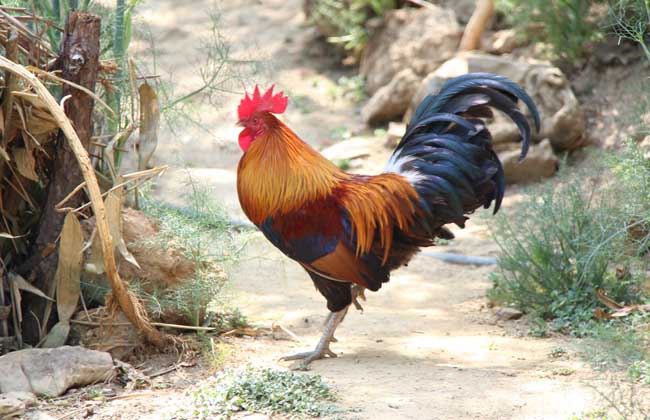
The red junglefowl is the wild ancestor of the domestic chicken, also known as the red junglefowl or junglefowl. It inhabits tropical forests and secondary bamboo groves below 1000 m in altitude and lives in flocks. It feeds on plant fruits, seeds, tender bamboo, leaves and various wild flower petals, and also eats termites, termite eggs, worms and young moths. Let's take a look at red junglefowl breeding technology together below!
Characteristics of Red Junglefowl Breeding
1. Strong adaptability: The red junglefowl is not only suited to being raised and bred in tropical and subtropical regions, but also has good adaptability to high-cold regions, and can be raised throughout the year in all seasons and across the country.
2. Extensive rearing: The red junglefowl has strong disease resistance and few ailments. Junglefowl over 1 month of age can be released at the edges of fields to let them forage freely. It has low requirements for the external environment, can be fed various grain crops, and can be supplemented with green plants.
3. Low feed intake: The red junglefowl is light in body weight and has a low feed intake. From birth to 2 months of age, the average daily feed intake per bird is less than 30 grams, with a meat-to-feed ratio of 1:2.5.
4. High survival rate: The fertilization rate of red junglefowl breeding eggs is 89-95%, the hatching rate of fertilized eggs is 90%, the incubation period of breeding eggs is 21 days, and the brooding survival rate is around 98%.
Management of Red Junglefowl Chicks
1. Temperature: The temperature of the brooding room is 33-34°C on days 1-3, then decreases daily, dropping 1-2°C per week, so that the chicks are evenly distributed without piling up. If the temperature is too low, the chicks pile up beside the heat source and may be crushed to death; if the temperature is too high, the chicks move away from the heat source, pant with open beaks and sweat. Infrared lamps, electric heating tubes, etc. can be used as heat sources for warmth.
2. Feeding: Before starting feed, first give drinking water with potassium permanganate at a concentration of 1:10000. After 2-3 hours, feed full-price chick feed, feed freely, and provide plenty of clean water so they can eat and drink freely.
3. Density: 60 birds per square meter, gradually reduced as age in days increases. If the litter is damp, replace it promptly.
4. Disease prevention: Mainly prevent pullorum disease and coccidiosis. Oxytetracycline at a concentration of 2:1000 can be mixed into the feed, or 2000 units each of penicillin and streptomycin per bird can be given in drinking water, alternating every 3 days.
Management of Growing and Adult Red Junglefowl
1. Confined rearing: Confined rearing means raising them in a chicken house with a exercise yard, feeding them feed supplemented with green plants. Because junglefowl still retain the wild junglefowl habit of liking to perch in trees, some perches should be set up in the chicken house and exercise yard for the birds to jump and perch on.
2. Free-range rearing: Use orchards and woodland to raise the chickens within them, and build some simple sheds appropriately for the chickens to shelter from wind and rain and to provide shade and protection from cold. With this method, in addition to appropriate supplementary feeding, letting the chickens forage for insects and wild grasses within will greatly improve the quality and selling price of commercial chickens, and at the same time greatly reduce pests and diseases in the orchard and woodland, while the chicken manure becomes excellent organic fertilizer for the woodland.
Management of Red Junglefowl Breeding Stock
1. Feeding: Breeding chickens must be selected as individuals that are healthy, especially outstanding in breed characteristics and strong in body shape, and after 100 days of age they should be fed in limited amounts, with chicken feed containing 13% crude protein given only once a day, until they enter the laying period at 5 months of age, when they should gradually be switched to breeding chicken feed and allowed to eat freely. Add an appropriate amount of laying hen multivitamins every 3 days for 3 days of use, additionally add choline chloride, minerals, etc., and feed more green feed.
2. Density: When managing the breeding of red junglefowl breeding stock, adjust the density to 5-7 birds per square meter, with a male-to-female ratio of 1:6-8, and gradually supplement artificial lighting, increasing by half an hour per week until the photoperiod reaches 16-18 hours.