Detailed Explanation of Topmouth Gudgeon Breeding Techniques and Methods
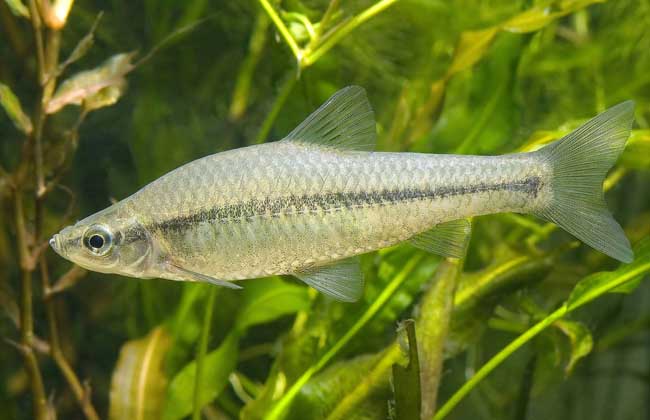
The topmouth gudgeon is an important economic fish in our country. With the diversification of public consumption, fried topmouth gudgeon has begun to appear on dining tables as a delicacy, and with the gradual rise of home aquatic pets, the demand for it as a high-quality bait fish is growing larger and larger, and its market price is gradually climbing, thus giving it extremely high breeding value. Let us take a look at the breeding techniques for topmouth gudgeon!
Seedling Selection
The fry of topmouth gudgeon come from natural captures in surrounding lakes. Requirements: body length greater than 5 mm, body weight greater than 3 grams, age over 2 years, good gonadal maturity, robust physique, intact scales, free of disease and injury, and free of parasites. Before stocking, soak in 35% salt water for 5 to 10 minutes to disinfect the fish body. The stocking density is 1000 to 1500 tails per mu.
Seedling Cultivation
Select a pond with an area of 667 to 1330 sq m, a water depth of 1.2 to 1.5 m, and bottom silt of less than 10 cm as the cultivation pond. Per mu, use 75 to 100 kg of disinfectant dissolved in water and splash it over the entire pond for disinfection. After 7 to 10 days, add water, plant aquatic plants, and feed a combination of homemade compound feed and live bait. Feed twice daily, once in the morning and once in the evening. The amount of feed each time should be appropriate if the fish can finish it within 2 hours. Adjust the feeding amount promptly according to the fish's feeding situation. When inducing spawning of the fry, stop feeding for one day. Regularly replenish and change the water, with each water change amounting to 25 to 30% of the total pond water. During the fry cultivation period, frequently check the gonadal development of the fry.
Seedling Management
Starting from late March, flush water once every 5 days for 3 to 4 hours each time to promote gonadal development. When the water temperature reaches 10 to 15°C, check the maturity of the topmouth gudgeon fry. Male and female fish generally do not differ much in body shape, but during the breeding season they show obvious differences. Mature male fish are larger and darker in color, with obvious secondary sexual characteristics appearing on the snout, cheeks, and other parts, namely white keratinous "pearl organs," which feel rough to the touch. Males can be squeezed to release milky white semen. Females are smaller and lighter in color, often with a black longitudinal stripe on the side of the body, a slightly protruding ovipositor, an enlarged abdomen with a clear ovarian outline, a soft abdomen, and a slightly red genital pore.
Spawning Induction Techniques
The spawning pond for topmouth gudgeon breeding has an area of 50 to 60 sq m and a water depth of 0.6 to 0.8 m. Beforehand, per mu, use 75 to 100 kg of disinfectant dissolved in water and splash it over the entire pond for disinfection. The spawning induction drug is fish ovulation-stimulating hormone No. 2, with a dosage of 1.5 to 2 micrograms per gram for female fish and 1 to 1.5 micrograms per gram for male fish. When male fish are observed beginning to chase female fish, artificial insemination can be carried out.
Artificial Insemination
Observation shows that the effective time for spawning induction in topmouth gudgeon is 12 hours. Twelve hours after drug injection, remove the topmouth gudgeon fry, collect eggs by the abdominal squeezing method, collect sperm by the abdominal incision and crushing method, and use the semi-dry insemination method. Then add aerated water, gently stir with a feather for 2 to 3 minutes, let stand for 25 to 30 seconds, suck out excess testicular tissue and other impurities, and place the fertilized eggs into the hatching pond for flowing water incubation.
Hatching Techniques
The hatching pond for topmouth gudgeon breeding is a circular cement pond with a radius of 3 to 3.5 m, disinfected beforehand with potassium permanganate. A ring of nano-microporous pipeline aeration equipment is laid around the bottom of the pond. The water depth is 50 to 60 cm. The hatching water is ecologically purified pond water filtered through 100 to 150 mesh silk gauze. After moving the eggs in, carry out flowing water incubation at a temperature of 20 to 25°C, with dissolved oxygen in the pond not lower than 6 mg/L. Change half the water daily and regularly use drugs for disinfection.
Fry Stocking
Seven to 10 days before stocking topmouth gudgeon, thoroughly clear and disinfect the pond with quicklime, then apply biological fertilizer to cultivate rotifers, keeping the pond water transparency at 20 to 25 cm. Stock 80,000 to 100,000 summer fry of topmouth gudgeon per mu, and feed oil bran. Feed according to season, temperature, and growth conditions, generally 1 to 3 times daily. After 3 to 5 months of feeding, they can reach commercial size, at 120 to 160 tails per kilogram.
Feed Feeding
The topmouth gudgeon is an omnivorous fish that mainly feeds on zooplankton. During breeding, it can be fed oil bran or homemade compound feed. The feed formula is 38% domestic fish meal, 21% rapeseed meal, 12% corn meal, and 29% wheat flour. Adhere to the "four fixed and four look" principle. Under normal conditions, generally feed twice daily, with the feeding amount at about 5% of the fish body weight in the pond.