Breeding Techniques and Management Points for the Giant Siamese Carp
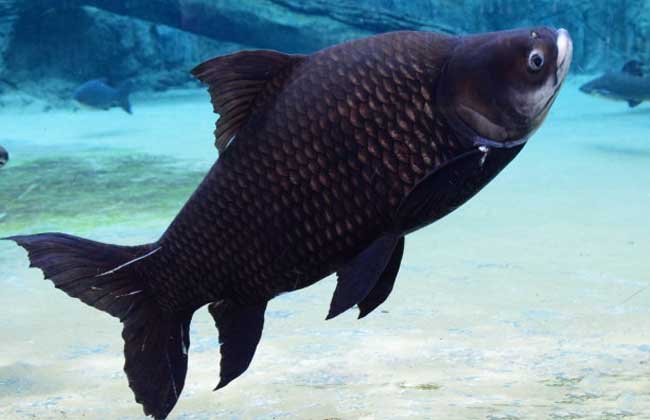
The giant Siamese carp, also known as the Siamese giant carp, is the largest existing species in the Cyprinidae family, with a body length of 200 cm and a maximum weight of 120 kg. It exists only in the Mekong River section within Thailand. Because it is a famous food fish in its place of origin, its wild resources are under extreme threat and its population has severely declined. Let us take a look below at the breeding techniques for the giant Siamese carp!
Morphological Characteristics of the Giant Siamese Carp
The giant Siamese carp has a head that appears enormous and no barbels. Among freshwater fish, it is the largest cyprinid, with a few individuals under 1.5 m and 45 kg. Large ones can reach 3 m in length and weigh 300 kg. Only the Indian carp can compare with it, but large Indian carp were only recorded a hundred years ago, with a maximum size of 300 cm and 300 kg.
Growth Habits of the Giant Siamese Carp
The habitat of the giant Siamese carp is the Mekong River basin in Southeast Asia. It grows in the Mekong River basin in Southeast Asia and is commonly found in large pools beside the great rivers of Hamilton, but it seasonally enters canals, floodplains and swamps. Small giant Siamese carp are commonly found in small streams and swamps, but also live in canals and pools. It feeds on coral, algae and mangrove fruit, and rarely feeds on live prey.
Breeding Techniques for the Giant Siamese Carp
1. Water quality: Raising the giant Siamese carp requires neutral water quality, a temperature of 25-28 degrees C, and a filtration system that must be strong, striving to create a relatively fast-flowing water body.
2. Feed: The giant Siamese carp is a filter-feeding fish. When young, it can accept bloodworms and artificial ornamental fish feed. It does not matter when it grows larger, because the filter-feeding nature of the giant Siamese carp is not as specialized as that of silver carp and bighead carp, so things like vegetable leaves can still be used as a substitute.
3. Mixed culture: The giant Siamese carp is very convenient to keep in mixed culture. Its feeding habits make it a harmless animal, and any species that will not harm it can be chosen.