Can Arapaima Be Eaten? Let's Learn About Its Edibility
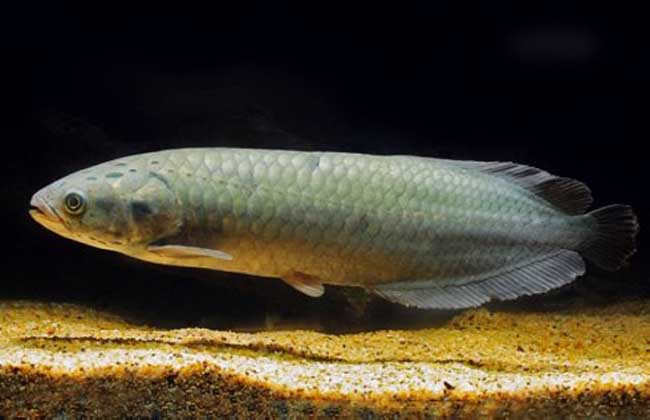
The arapaima is one of the largest freshwater fish in the world, also known as the pirarucu, the giant arapaima, and the warship dragon. It is a surviving ancient freshwater fish species, believed to have first appeared 100 million years ago. It is called the bony-tongue fish because of the hard bony teeth that grow on its tongue. It feeds on fish, shrimp, and frogs. Let's take a look below at whether the arapaima can be eaten!
Can Arapaima Be Eaten?
The arapaima can be eaten. The arapaima has enormous economic value. Its meat can be made into dried or salted products, and its teeth, after being dried in the sun, can be used as a substitute for files. A single arapaima has an average of 70 kg of meat. In Brazil, indigenous residents, with the permission of the local government, may hunt a certain number of arapaima for food, but there are strict limits on both the number and the size of the fish. In South America, the tongue of the arapaima is ground into powder and mixed with water along with guarana to drink, which is said to be able to kill roundworms.
How Much Does an Arapaima Cost?
The arapaima is one of the most popular aquatic products in the Amazon River region of South America. In Brazil, the price of arapaima as a food fish is 5 US dollars per kilogram, which is equivalent to buying 1 jin of fish meat for 16 yuan. If kept as an ornamental fish, a 20 cm arapaima generally costs around 300 yuan. However, the arapaima has entered the ranks of very rare fish species and has been listed as an endangered protected animal on the IUCN Red List, and its hunting is strictly controlled, including the establishment of no-fishing zones and fishing quotas.
The Origin of the Arapaima
The arapaima is the largest freshwater fish on the South American continent. It mainly lives in the rivers of South America, inhabiting natural oxbow lakes and the slow-flowing stretches of the Amazon River. The arapaima occurs mainly in the riverbanks of the Amazon River basin, but the exact age of its distribution, especially in the lower part of the basin, is unknown. It was first recorded in the Essequibo basin in Guyana, and fossil evidence shows its historical presence in the Magdalena River basin of Colombia. Outside its native range, the arapaima has been introduced into rivers and fisheries in Asia, and is also kept artificially in aquariums for ornamental purposes.