The king of wild vegetables in July: eat the leaves, not the fruit; its calcium content far exceeds milk, yet few have ever tasted it
It is already the end of June, and the hottest July weather is right around the corner. The sweltering summer is often called the "bitter summer," a hard season to endure. This kind of weather not only makes people lose their appetite, but also makes them prone to heatiness at the drop of a hat. As a result, many people cut back on big feasts of meat and fish, replacing them with all kinds of vegetables that clear dampness and heat, such as bitter melon, luffa, winter melon and other gourds. In South China, the weather is even hotter and more humid, and besides gourd vegetables, people also like to eat a special wild vegetable. They eat the leaves and not the fruit, because its leaves are even more valuable than the fruit.
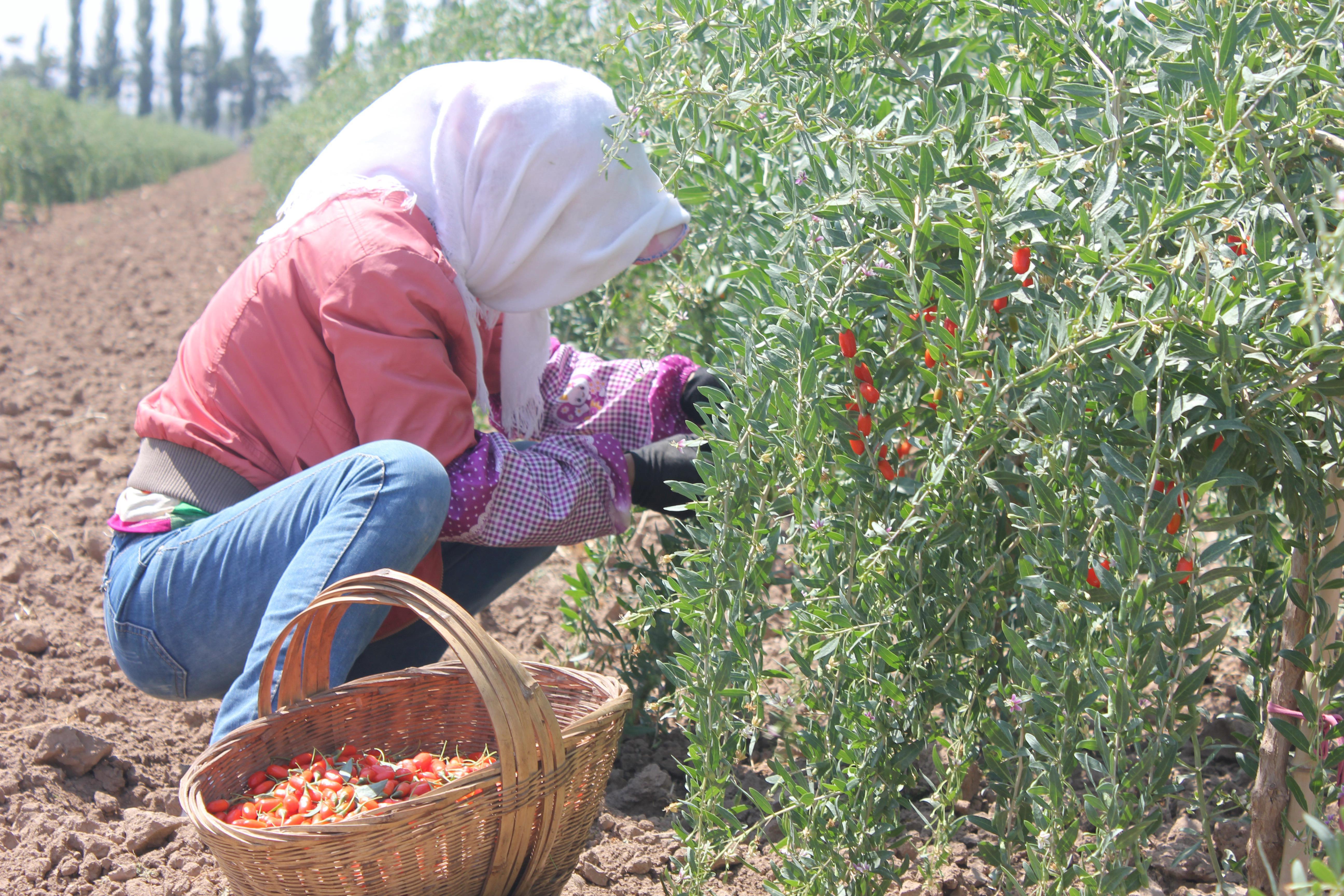
This wild vegetable is goji leaves; its fruit is the goji berry. Goji berries are a food that doubles as medicine, often appearing in people's teacups and on their dining tables, with the effect of clearing heat and brightening the eyes. Quite a few professional growers have cultivated goji, especially in the Ningxia area, where goji is a local specialty crop. But goji leaves get no such attention: after farmers pick the goji berries, the leaves are thrown away as waste.
In fact, goji leaves were already a nourishing wild vegetable in ancient China, and "The Complete Book of Agricultural Administration" praised them greatly: "Goji tips (leaves), gathered in spring, in summer, and again in autumn; for the hungry, eaten to the full, they are a prized relish”。
Goji leaves can be picked in spring, summer, and autumn, and they grow best in summer in particular, which is why they are also called the king of wild vegetables in July. Although few people in the north eat them, in the south they are a common wild vegetable in the market, and people from Guangdong are especially fond of them. The main way to eat them is in soup: they can be added to pork liver soup, lean pork soup, or pork offal soup. At first bite there is a slight bitterness, but the aftertaste is mildly sweet, crisp and fragrant, and very appetizing. Goji leaves not only share the goji berry's effect of clearing the liver and brightening the eyes, but are also believed to nourish the blood, tonify deficiency, and strengthen the bones and muscles by supplementing calcium, giving them high nutritional value.
Testing by researchers has found that goji leaves are very high in protein, phosphorus, iron, and calcium, and especially high in calcium: each 100 grams contains 1300 mg of calcium, so eating them regularly has a good calcium-supplementing effect. Compared with milk, the calcium content is 10 times that of milk, far exceeding milk, because 100 grams of milk contains about 130 mg of calcium. Therefore, if you do not usually drink milk, you can eat more goji leaves, which can also provide a decent calcium supplement.
In China, most people who eat goji leaves are from Guangdong and Guangxi, while few in the north eat them. In fact, goji leaves have long been a health food abroad, and Koreans and Japanese people love to eat them. Dear readers, have you ever eaten goji leaves?