How to Grow Guava from Seed? Detailed Guide to Sowing Methods and Care Points
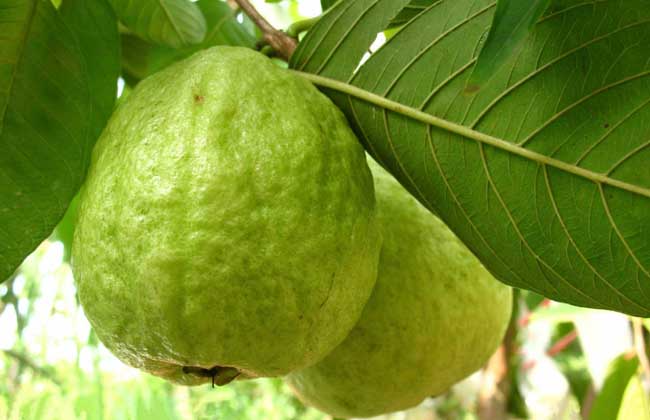
Guava is a highly adaptable tropical fruit tree, native to tropical America, spread to tropical and subtropical regions of the world in the 16th to 17th centuries, and introduced to China around the end of the 17th century. It is cultivated in Taiwan, China, Hainan, Guangdong, Guangxi, Fujian, Jiangxi, Yunnan and other provinces in China, and in some places it has escaped to become a wild fruit tree. Let us take a look below at how to grow guava from seed!
Seed Selection
Seeds used for guava seedling propagation should come from superior varieties, high-yielding and high-quality mother plants, and fully mature fruits. After the fruits are harvested, let them rot, take out the seeds and wash them clean, float off the unfilled grains, and dry them in the air before sowing. Although guava seed viability can be maintained for more than 1 year at room temperature, fresh seeds have strong viability, a high germination rate and good germination vigor, so it is generally best to sow immediately after collection.
Seed Soaking and Germination
The outer shell of guava seeds is hard and does not easily absorb water, so before sowing, the seed soaking and germination period should be long. Wait until the seed embryo is exposed before taking them out to sow; then germination is uniform and the germination rate is high. Soaking the seeds in 0.1 to 0.3% gibberellin (920) for 12 hours before sowing has a good effect on shortening the germination time, increasing the germination rate and accelerating seedling growth.
Sowing Methods
Guava seeds are small, so if sowing directly in a seedbed, the seedbed soil should be broken up finely and leveled, covered with fine soil or sand, and then the seeds should be spread evenly, after which fine soil about 0.2 cm thick should be covered on top. After sowing, cover with grass, pour water through thoroughly, and afterward water 1 to 2 times a day depending on the weather. Guava can also first be sown in a sand bed; after sowing, it germinates in 30 to 40 days, and when it grows to 2 to 3 pairs of true leaves, it is transplanted into nutrient bags or a seedbed. If raising seedlings in nutrient bags, use fertile topsoil plus a small amount of rotted pig and cattle pen manure and phosphate fertilizer. After transplanting, keep it moist, and when the seedlings are about 10 cm tall, begin fertilizing once a month. When the seedlings are more than 40 cm tall, they can be used for grafting or field planting. Generally, with autumn sowing, grafting and field planting can be done in the spring of the following year.