What Is the Deal with Genetically Modified Soybeans? Read This and You'll Understand
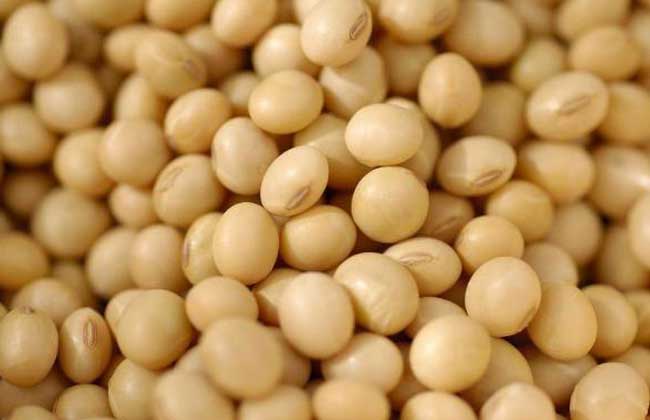
Genetically modified soybeans can resist the herbicide glyphosate (a glyphosate-based mixture); glyphosate will kill ordinary soybean plants along with the weeds, whereas applying the glyphosate herbicide in fields of genetically modified soybeans does not affect soybean yield. However, the toxicity and safety concerns of genetically modified soybeans have long been controversial. Let's take a look together below at what the deal is with genetically modified soybeans!
What is the deal with genetically modified soybeans?
Genetically modified soybeans were developed to work together with the use of the glyphosate herbicide. Herbicides are selective and non-selective, and glyphosate is a non-selective herbicide. Glyphosate-resistant genetically modified crops are currently the genetically modified crops with the largest sown area in the world. The principle by which glyphosate kills plants lies in destroying EPSPS in the plant's chloroplasts or plastids. Through genetic modification methods, making the plant produce more EPSPS enzyme enables it to resist glyphosate, so that the crop is not killed by the glyphosate herbicide. With such genetically modified soybeans, farmers no longer need to use multiple herbicides as in the past; only one herbicide, glyphosate, is needed to kill all kinds of weeds.
How to Identify Genetically Modified Soybeans
1. Shape: Non-genetically modified soybeans are oval in shape, somewhat flat. Genetically modified soybeans are round in shape, plump and round.
2. Color: The “navel” of non-genetically modified soybeans is light brown. The “navel” of genetically modified soybeans is yellow or yellowish brown.
3. Size: Non-genetically modified soybeans vary somewhat in size. Genetically modified soybeans are all roughly the same size.
4. Soy milk: Soy milk made from non-genetically modified soybeans is milky white. Soy milk made from genetically modified soybeans is somewhat yellow.
5. Bean sprouts: Soak the soybeans in water for three days. Genetically modified soybeans will not sprout; they will only swell in size, whereas non-genetically modified soybeans will basically show sprouts growing out.
6. Insect damage: Genetically modified soybeans have had insect-resistance and pesticide-resistance genes introduced, so genetically modified soybeans usually have a neat appearance, and almost no traces of insect damage can be seen. Non-genetically modified soybeans, if not stored properly, are prone to becoming infested with insects.
What Are the Common Genetically Modified Foods?
1. Tomato: I believe many people like eating tomatoes, and precisely because most people around the world like this vegetable, scientists have studied tomatoes more deeply. As a result, they found that the genes of tomatoes are relatively easy to transfer, so the tomatoes eaten today are also slowly moving onto the path of genetic modification, and there is even a trend toward beginning commercial production.
2. Bell pepper: In 1998, approved by the Ministry of Agriculture, genetically modified colored peppers were once allowed to be commercially planted, but genetically modified colored peppers seem not to have received much welcome from the public in our country. To this day, genetically modified colored peppers are basically no longer produced, but it cannot be ruled out that some merchants violate government regulations and privately plant genetically modified colored peppers.
3. Corn: Genetically modified corn uses modern molecular biotechnology to introduce genes from useful plants that are very distantly related taxonomically into the genetic material of corn that needs improvement, and to make their offspring exhibit the corn with stable inherited traits that people pursue. At present, our country has already allowed imports from the United States.
4. Rapeseed: Rapeseed can be used to produce oil, so many people who study agriculture focus their research on it. Genetically modified rapeseed still faces various controversies among the governments of various countries; in the end, it is still concern about toxicity and allergy issues. Although our country has not yet begun to promote the planting of genetically modified rapeseed, genetically modified rapeseed seeds are imported.
5. Soybeans: When we go to buy cooking oil, we often find that some cooking oils are labeled “genetically modified soybeans.” In fact, genetically modified soybeans have already begun to enter the Chinese market on a large scale, and they are mainly used for the processing of cooking oil. As for whether genetically modified soybeans are being sold on the market, it is unknown.