Don't water flowers with tea water - these 3 potted plants will turn yellow after watering
When it comes to growing flowers, many people know that if you get watering right, you're halfway to keeping the plant alive. But watering flowers has its own rules. Some plants are suited to being watered once a day, while others may only need watering once a week. So watering still needs to be based on the actual situation. A while ago, a flower grower asked whether rice water is suitable for watering all flowers. Of course not. After fermentation, rice water becomes acidic, and it is best suited to flowers that like to grow in slightly acidic soil.
Then a flower grower asked again: tea water, that is, overnight tea, feels like such a waste to pour away - can it be used to water flowers? Answer: although tea water is also acidic (PH5.5-7), similar to rice water, after being left for a long time, the protein, sugars and so on in the tea become nutrients for bacteria and mold to multiply, and it easily causes plant pests and fungal diseases. So most flowers are not suited to being watered with tea water. Especially the following kinds.
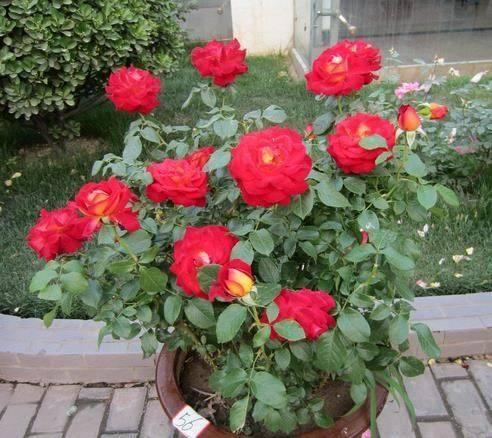
1. Potted Chinese rose
Chinese roses are suited to growing in loose, fertile, organic-rich, slightly acidic, well-drained loam, so as an acid-loving flower, the Chinese rose can be watered with tea water or rice water. Because tea water easily breeds bacteria, it is recommended not to water with tea water, and to use rice water instead.
Care details for Chinese roses:
The soil for growing Chinese roses can be mixed yourself, using garden soil: leaf mold: rice husk ash in a 5:3:2 ratio. In addition, Chinese roses love light and need plenty of sunshine during the growing season, at least 6 hours of light per day, otherwise they will only grow leaves and not bloom, and even if buds form, after blooming the flowers will be neither brightly colored nor fragrant.
2. Potted gardenia
Gardenia, like the Chinese rose, likes fertile, well-drained, acidic light clay loam. In care, note that gardenia likes a warm, humid environment with plenty of sunlight, so its water needs and air humidity are also very important, and at the same time pay attention to the need for an appropriate amount of light. Gardenia can be placed indoors one meter away from the balcony, so that it has good ventilation and can also receive scattered light.
3. Potted clivia
Many flower growers keep clivia, thinking this flower blooms brightly and elegantly. When it comes to growing clivia, many flower growers also have their own little tricks. For example, watering clivia with beer can prevent "arrow clamping". Watering clivia with rice water can make it grow better. Spraying clivia with monopotassium phosphate can make the leaves wide and thick. Burying soybeans under the clivia pot can make clivia grow like crazy. There are really too many little tricks like this.
However, I really have never seen any flower grower water clivia with tea water. Last year a flower grower submitted an article to me, saying that he regretted using tea water on his clivia - not to mention blooming, the leaves started turning yellow after half a month! When he dug into the clivia's potting soil, he was shocked: the root system that had originally been very well developed had all rotted away.
That's all for sharing about why tea water is not a good choice for watering flowers. Thank you for reading!
Remember to like and share~