What to do when red spot disease runs rampant in clivia? Master these few tricks for strong roots and lush leaves
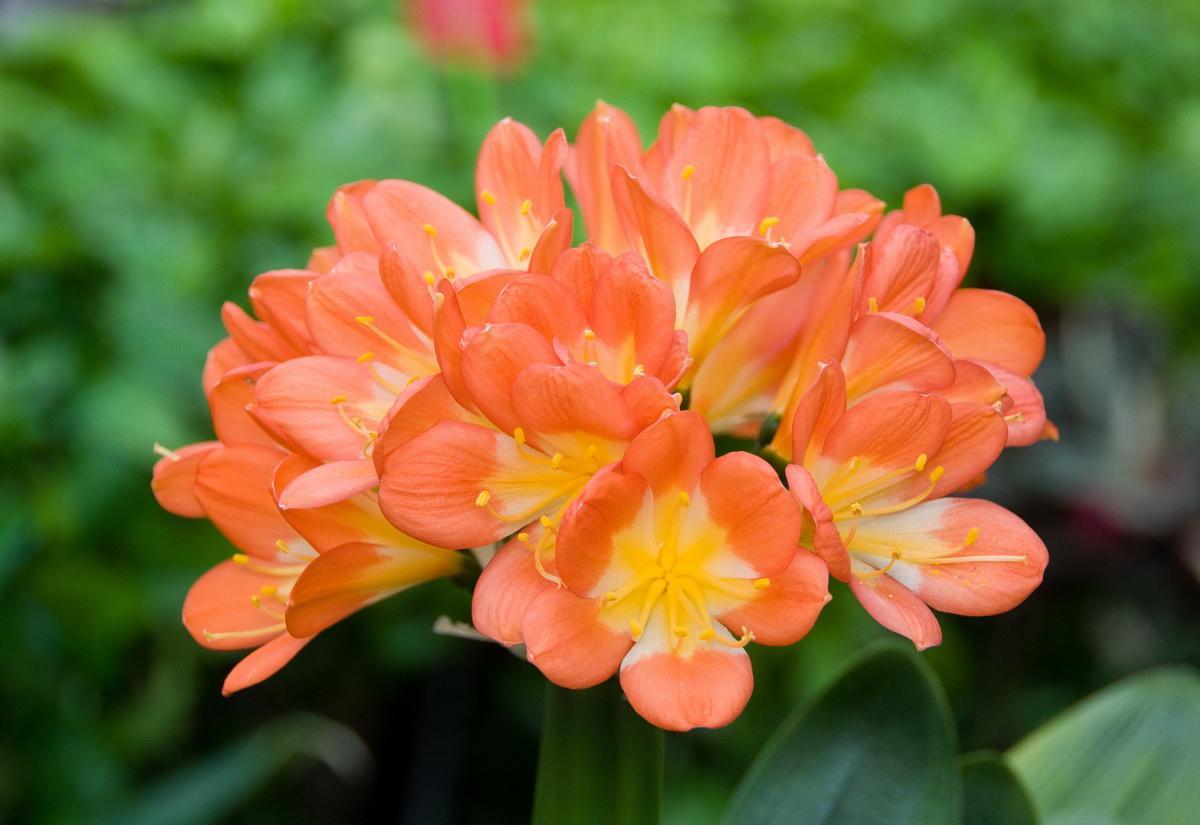
Clivia is a highly ornamental flowering plant, and many people keep a pot of it at home for decoration. Its leaves are glossy, and whether it blooms or not, it is very appealing. When caring for clivia, you can grow it very well simply by following its habits, and its lifespan is also very long. But some people find that when caring for it, the leaves become covered in small red spots, and if you touch the underside of the leaves it feels like small tumors have grown there. What is going on? What should be done?
1. About clivia's "red spot disease"
When clivia gets "red spot disease", small red spots first appear one by one on the leaves, and these small red spots feel slightly raised when touched from the underside. After a while, these small red spots slowly expand, turning into large patches, and finally into continuous sheets. If no care is given, they gradually develop into water-soaked blotches.
In fact, these red spot problems basically appear when the growing environment for clivia has relatively high temperature and relatively high humidity. If the ventilation conditions are also poor at this time, this situation will occur. This red spot disease is a very common disease for clivia in daily life, so when caring for it, you must pay attention to its growing environment. It cannot be too hot and humid; if it is hot and humid, paying attention to ventilation is also very important.
2. Solutions for "red spot disease"
When clivia has red spot disease, at this time you should promptly replace the soil of the clivia, then also remove the diseased leaves. After pruning off the leaves, spray the wounds with carbendazim solution. When changing the soil for clivia, if root rot has occurred, promptly remove the rotten roots, and also promptly soak the roots in potassium permanganate solution.
3. If you want to grow clivia well, first grow the roots well
Clivia is a flower that many people love very much. Usually, if you want to grow clivia well, you must first grow its roots well. When mixing soil normally, give it loose and breathable soil. You can use leaf mold plus some sandy soil and then add some charcoal. This not only ensures the breathability of the clivia, but the charcoal can also keep the potting soil moist. You can also add a little organic nutrient solution to make the roots grow stronger and promote the clivia to bloom.