Beyond purifying the air, these plants have unique special skills
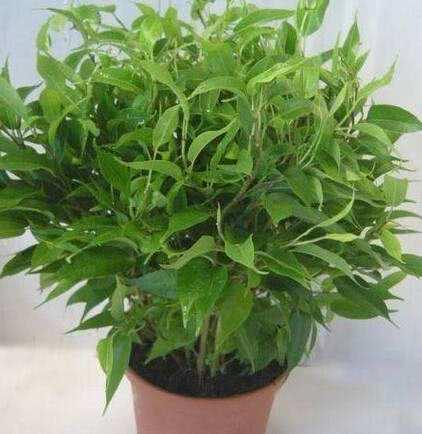
When decorating, people generally place a few plants at home, which can purify the toxic gases produced by decoration and also decorate the home, making it beautiful and attractive. Of course, many friends also place green plants at home for feng shui reasons. Whatever the reason, when placing plants you also need to choose carefully.
1. Weeping fig
The weeping fig can raise the air humidity in a room, which is good for our skin, and can also absorb toxic gases such as formaldehyde and xylene produced during decoration. The weeping fig's leaves are small and attractive, making them a very beautiful decoration in a room.
2. Lavender
Lavender can be used to extract natural essential oil, and it is often used as a scenting agent. Its fragrance has a certain calming and sleep-inducing effect, and it helps to some extent with insomnia and anxiety, so lavender is also quite suitable for placement in the bedroom for care, and can improve our sleep quality to a certain extent.
3. Orchid
The orchid is quite suitable for placement in the study. The orchid has a unique temperament, giving people a noble and elegant beautiful image, and is very suitable for placement in the study. In spare moments after reading and working, admiring the orchid is also a very interesting thing to do.
4. Jasmine
The floral fragrance of jasmine is also a natural sleep aid, able to improve sleep quality and reduce anxious emotions. The jasmine fragrance is elegant, and its scent is elegant and fresh, and can also soothe our tense nerves and improve anxious emotions. Jasmine also has a certain sterilizing effect, and is also very suitable for placement in the living room.
5. Alocasia
Alocasia has the effect of removing dust from the air. Its leaves are broad and its transpiration rate is relatively high, so it can raise indoor air humidity. However, it should be noted that alocasia is toxic. The white sap in its stems and the water it drips are both toxic. Accidental ingestion or accidental contact with its sap can easily lead to poisoning. So in daily care you must be careful and must not touch it casually