Is amaranth actually a "stimulating food"? Explained clearly in one article
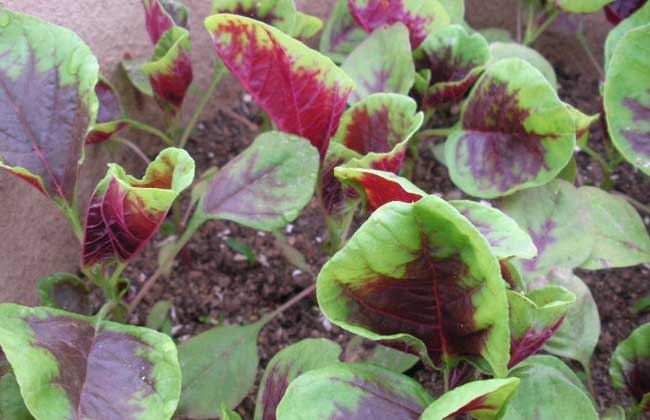
Amaranth is native to China, India, Southeast Asia and other places. In our country it has been eaten as a wild vegetable since ancient times and has extremely high edible value. As a cultivated vegetable it is grown mostly in China and India, and in our country more in the south than in the north. Throughout southern China there are amaranth varieties of excellent quality and high nutrition. Let us take a look below at whether amaranth is a "stimulating food"!
Is amaranth a "stimulating food"?
Amaranth is a "stimulating food". "Stimulating food" refers to foods that are rich in nutrients or irritating and are especially likely to induce certain diseases (especially old or chronic illnesses) or worsen an existing illness. Under normal circumstances a stimulating food is also just a food, and eaten in moderation it will not cause side effects or discomfort for most people; only for certain special constitutions and certain diseases related to them will it trigger illness. After some people eat large amounts of amaranth and then are exposed to sunlight, photosensitive dermatitis can be induced, so amaranth is a "stimulating food".
The causes of illness from "stimulating foods"
1. Some animal-based foods contain certain hormones that can cause certain functions in the human body to become overactive or metabolism to become disordered. For example, when glucocorticosteroids exceed the physiological dose they can induce the spread of infection, ulcer bleeding, epileptic seizures, etc., causing old illnesses to relapse.
2. The foreign proteins contained in certain foods become allergens, causing allergic diseases to relapse. For example, sea fish, shrimp and crab often cause the onset of stubborn skin diseases such as urticaria, eczema, neurodermatitis, impetigo and psoriasis in people with skin allergies.
3. Some strongly irritating foods, such as alcohol and pungent, irritating foods like scallions and garlic, act on inflammatory infection sites and can very easily cause the spread of inflammation and "running of toxin" from boils. This is the reason in traditional Chinese medicine that heat syndromes and excess syndromes should avoid pungent, irritating "stimulating foods".
What are the common "stimulating foods"?
1. Edible fungi: The main "stimulating foods" among edible fungi are mushrooms, shiitake mushrooms, etc. Eating too much of such foods easily stirs wind and raises yang, triggering chronic illnesses such as liver-yang headache and liver-wind dizziness; in addition, it easily induces or worsens skin sores, ulcers and swellings.
2. Seafood: The main "stimulating foods" among seafood are hairtail, yellow croaker, pomfret, clam meat, shrimp, crab, etc. Most of these foods are salty, cold and fishy, and for people with allergies they easily induce attacks of allergic diseases such as asthma and urticaria.
3. Vegetables: The main "stimulating foods" among vegetables are bamboo shoots, mustard greens, pumpkin, spinach, amaranth, daylily, etc. Such foods easily induce skin sores, ulcers and swellings.
4. Fruits: The main "stimulating foods" among fruits are peaches, apricots, ginkgo, peanuts, mangoes, bayberry, cherries, lychees, melons, etc. For example, eating too many peaches easily generates heat, and eating too many apricots causes boils and carbuncles and harms the muscles and bones.