How to deal with fleas on the bed? Sharing practical removal methods
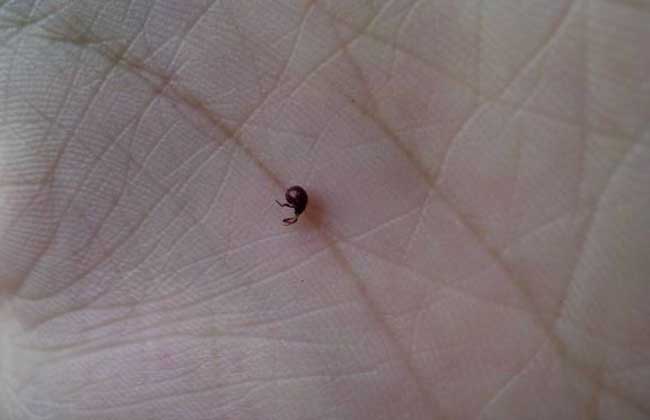
Fleas are small, wingless, parasitic blood-sucking pests that are good at jumping. The insects usually live on mammals, and a few on birds. Having fleas on the bed at home not only makes it hard to sleep but also easily breeds skin diseases, bringing endless irritation to our lives. They should be removed promptly. Below, let us take a look at what to do if there are fleas on the bed!
What should you do if there are fleas on the bed?
1. First, remove and wash all items on the bed. Take the cotton wadding and mattress out to dry in the sun for no less than 5 hours.
2. Next, spray the bed with 84 disinfectant, or a product specifically for killing fleas, or a cockroach-killing product.
3. Then, close the room for about 1 hour or longer, then wash the bed with clean water and dry it in the shade.
4. Finally, the home needs to be kept ventilated and dry at all times. If it is a basement, dehumidification is needed.
What is the best way to eliminate fleas?
1. Thoroughly clean the home environment with a vacuum cleaner, especially the places where pets often sleep. After vacuuming, wrap the garbage in the vacuum cleaner's bag in a plastic bag and throw it out of the house. Usually, a vacuum cleaner can remove 50% of flea eggs.
2. Use adulticide products such as carpet powder and sprays to kill fleas remaining in the environment. Be sure to also use sprays in invisible dead corners such as under furniture. When choosing products, take other conditions in the home into consideration.
3. To prevent flea eggs and larvae from growing into adults, use flea-killing sprays containing ingredients that control larval growth. Many products have both functions: they can kill remaining adults and also prevent larvae from growing.
4. The bedding in pet nests should be washed once a week, and sprays used for environmental treatment should also be applied to nearby areas. At the same time, do not forget to treat the car, the bags or carriers used when pets go out, or other places pets often visit.
What should you do if bitten by fleas?
1. If bitten by fleas, you can first spray Liushen itch-relieving floral water, then apply fluocinolone acetonide acetate cream.
2. If bitten by fleas, a small amount of edible alkaline noodle water can be applied, which can also quickly relieve itching.
3. Take a small amount of fresh purslane stems and leaves, rub them in your hands until juice comes out, then apply to the affected area. It has an itch-relieving and swelling-reducing effect.
4. Immediately change out of all the clothes you are wearing and soak the clothes in water. The water should preferably cover the clothes. Fleas are most afraid of water, so this can drown the fleas and avoid being bitten again.
5. Apply Liweishi essential oil to the bitten area to relieve itching and fade scars. Apply once every other day in a cycle, and the swelling can go down in three days, and the scar can fade in a week.
6. When fleas bite, the formic acid substance secreted in the flea's mouthparts can cause muscle soreness and itching. Soap contains the sodium salt of higher fatty acids and becomes alkaline after hydrolysis, which can quickly eliminate pain and itching.
7. Rinse the bitten area with clean water, do not wipe it dry, then dip a little laundry detergent and apply it to the bitten area to immediately relieve itching and reduce swelling. After the redness and swelling disappear, the laundry detergent can be rinsed off.
8. Rub sliced garlic repeatedly on the area bitten by fleas for one minute. It has an obvious pain-relieving, itch-relieving and anti-inflammatory effect. Even if the bitten area has become a large bump or is inflamed and ulcerated, garlic can still be used to rub it.
9. After being bitten by fleas, immediately apply 1 to 2 drops of chloramphenicol eye drops to relieve pain and itching. Chloramphenicol eye drops have an anti-inflammatory effect, and can also reduce inflammation for mild infections after the bite has been scratched open.