What Are the Side Effects of Dried Tangerine Peel? Learn the Facts Before Consuming It
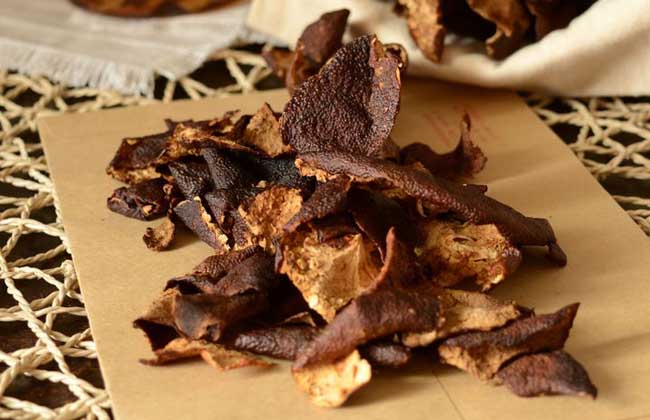
Dried tangerine peel is the dried ripe peel of the mandarin orange (Citrus reticulata) and its cultivated varieties in the Rutaceae family. It has the effects of regulating qi and directing it downward, harmonizing the middle burner and stimulating appetite, and drying dampness to resolve phlegm. It primarily treats qi stagnation and dampness obstruction in the spleen and stomach, chest and diaphragm fullness and oppression, abdominal distension and pain, loss of appetite, vomiting and nausea, difficult urination and bowel movements, lung qi obstruction, and cough with copious phlegm, and it also treats the early stage of acute mastitis. Now let us take a look at what side effects dried tangerine peel may have!
What Are the Side Effects of Dried Tangerine Peel?
As a commonly used traditional Chinese medicine for regulating qi, strengthening the stomach, and resolving phlegm, dried tangerine peel has very few side effects. Repeated animal experiments have shown no acute toxicity, but it should be used with caution by those with qi deficiency syndrome, yin deficiency with dry cough, blood-spitting syndrome, red tongue with scant fluid, or internal excess heat. In addition, pregnant women should best avoid eating dried tangerine peel, because it contains some additives and preservatives that may affect the fetus. Also, dried tangerine peel should not be consumed in large amounts, as eating too much can cause internal heat.
The Benefits and Effects of Dried Tangerine Peel
1. Strengthening the spleen and stimulating appetite: The volatile oil contained in dried tangerine peel has a mild stimulating effect on the gastrointestinal tract, which can promote the secretion of digestive juices and expel gas accumulated in the intestines.
2. Stimulant effect: Dried tangerine peel decoction and alcohol extract can stimulate the heart muscle, but an excessive dose produces the opposite inhibitory effect. It can also cause mild constriction of blood vessels and rapidly raise blood pressure.
3. Expectorant effect: The volatile oil contained in dried tangerine peel has an irritating, passive expectorant action that makes phlegm easier to cough up, and has a weak dilating effect on the bronchi. Its alcohol extract has relatively high anti-asthmatic potency.
4. Anti-inflammatory effect: When dried tangerine peel decoction is used together with vitamin C and vitamin K, it can enhance the anti-inflammatory effect.
Who Should Not Eat Dried Tangerine Peel?
1. People with excess stomach acid: Dried tangerine peel has a certain dampness-drying effect. Patients with stomach fire, qi deficiency, or dry cough should best not take too much of it, to avoid worsening their condition.
2. People taking medication: Dried tangerine peel has a certain effect on drug-metabolizing enzymes, so patients currently taking medication should best consult a doctor in advance to avoid affecting the efficacy of the medication or causing adverse effects on the body.
3. Pregnant women should not take it: Dried tangerine peel is irritating, and the weaker a person's resistance, the greater the irritation. Therefore, pregnant women and children should eat only a moderate amount of dried tangerine peel at most, and for safety's sake, it is best not to consume it at all.