How Is Chocolate Made? A Magnificent Transformation That Begins with a Single Cacao Flower
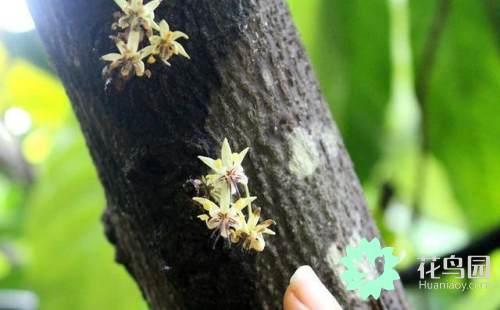
Almost all the chocolate products in the world come off the production lines of the large factories of just four or five big companies. Yet "handmade chocolate" is becoming a trend, drawing more and more people into its spell. These delicate flowers are the beginning of every piece of chocolate you have ever eaten. Cacao flowers grow directly on the trunk and main branches of the cacao tree, eventually forming brightly colored cacao pods. This photo was taken in Hawaii, the only place in the United States where cacao can be grown.
Passionate chocolate lovers are devoted to the whole process, from harvesting cacao beans to the final chocolate bar. Dom Ramsey from London is just such a chocolate maker, and here he explains in detail the magical "bean-to-bar" process of making chocolate. In this photo, you can see cacao pods growing directly on the large branches of the cacao tree. The photo was taken in Grenada
Cacao pods in strange and wonderful colors. The differences in color come from the diversity of cacao varieties and minor genetic differences. Taken in Hawaii
A riot of color.
Inside each pod is white flesh, wrapping 25-40 cacao beans.
The sweet white flesh surrounding the cacao beans.
These are the cacao beans. Different varieties of cacao beans have different colors; they are usually this purple shade, but some cacao beans with even better aroma are almost white in color.
After harvesting, the pods are cut open and the cacao beans and flesh are removed. The beans are put into some kind of container - usually a large wooden box covered with banana leaves - and left to ferment for 5-7 days. This fermentation process is crucial to the formation of chocolate flavor. This is the sweet pulp fermenting; when it reaches this state, it turns liquid and drains away, leaving the beans a brown color. During this process, the temperature of the beans can exceed 50°C (120°F), so if you have ever eaten a product labeled "raw chocolate," it is almost certainly not raw.
After fermentation, the beans are sun-dried for 7-10 days.
During drying, the beans must be turned frequently to ensure they dry evenly. In some places (such as Grenada), the cacao beans are turned by people walking over them, a process usually called "dancing the beans." Or, if you don't want to use your feet to turn the beans, you can use a tool called a RaboT!
After drying, the beans are packed into burlap sacks and shipped to chocolate makers around the world.
The first thing we do once we get the beans is to sort the cacao beans by hand. This step is mainly about picking out broken beans, twigs, stones and other debris that may have gotten mixed in during fermentation and drying, making sure the best beans are used to make the best chocolate.
A roasting setup converted from an oven. Handmade chocolate enthusiasts like Dom Ramsey can't own a full set of professional equipment, so they have to make do with simple, improvised methods. The cacao beans need to be roasted in the drum for 20 minutes.
After roasting, the beans are crushed in a crusher and sifted.
After the cacao nibs are winnowed clean, the next step is grinding.
The cacao nibs are poured little by little into a Cocoatown melanger - made up of a granite base and a granite wheel weighing 50 kg. As the wheel turns, the cacao nibs are crushed. During this process, the heat from friction melts the cocoa butter in the nibs (about 50% of the weight of a cacao bean is cocoa butter), and cocoa butter melts at about 34-38°C. At this stage, we add cane sugar (for dark chocolate), milk powder (for milk chocolate) and whatever flavorings we want.
Two days later... after three days of grinding, the chocolate is even smoother. This refining process also helps develop the chocolate's flavor. The constant grinding and heat reduce bitterness.
Small batches of milk chocolate, produced on a tabletop grinder. This is exactly the same process as in a large factory, just on a very small scale.
The ground chocolate is poured into a large plastic bucket and left to set. Letting it rest for several weeks helps further develop the chocolate's flavor.
A wave of chocolate!
The chocolate is tempered to make it smoother and glossier. Chocolate exists in several different crystal forms, and this is achieved by raising and lowering the temperature very precisely.
The finished chocolate bar.
The packaged chocolate bar.
A panorama of Dom Ramsey's chocolate workshop - small, but fully equipped.
Dom Ramsey's shop with its workshop behind it in London.